Generator Industry Insights
Expert knowledge, industry trends, and practical advice from 25+ years of generator experience
Featured Article
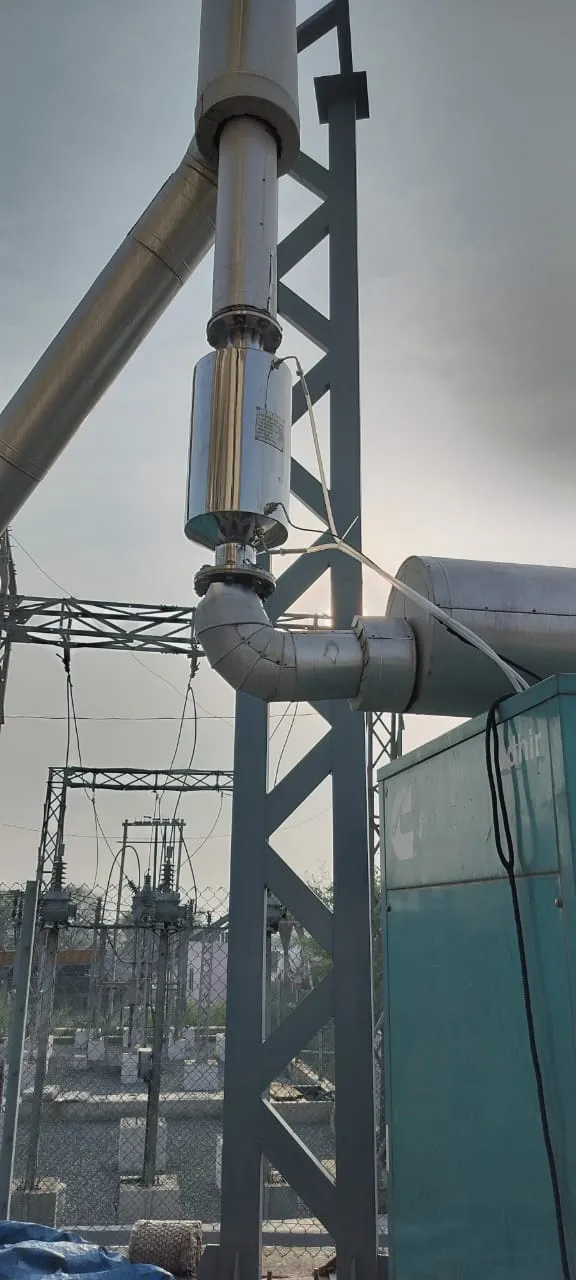
GRAP Stages and Generators: What Can Run at Each Stage in Delhi NCR (2026-27 Season Guide)
A stage-by-stage guide to running generators legally during GRAP in Delhi NCR: which gensets get operating allowances, who qualifies for essential-service exemptions, and how to prepare before the October smog season.
All Articles
21 articles found
GRAP Stages and Generators: What Can Run at Each Stage in Delhi NCR (2026-27 Season Guide)
A stage-by-stage guide to running generators legally during GRAP in Delhi NCR: which gensets get operating allowances, who qualifies for essential-service exemptions, and how to prepare before the October smog season.
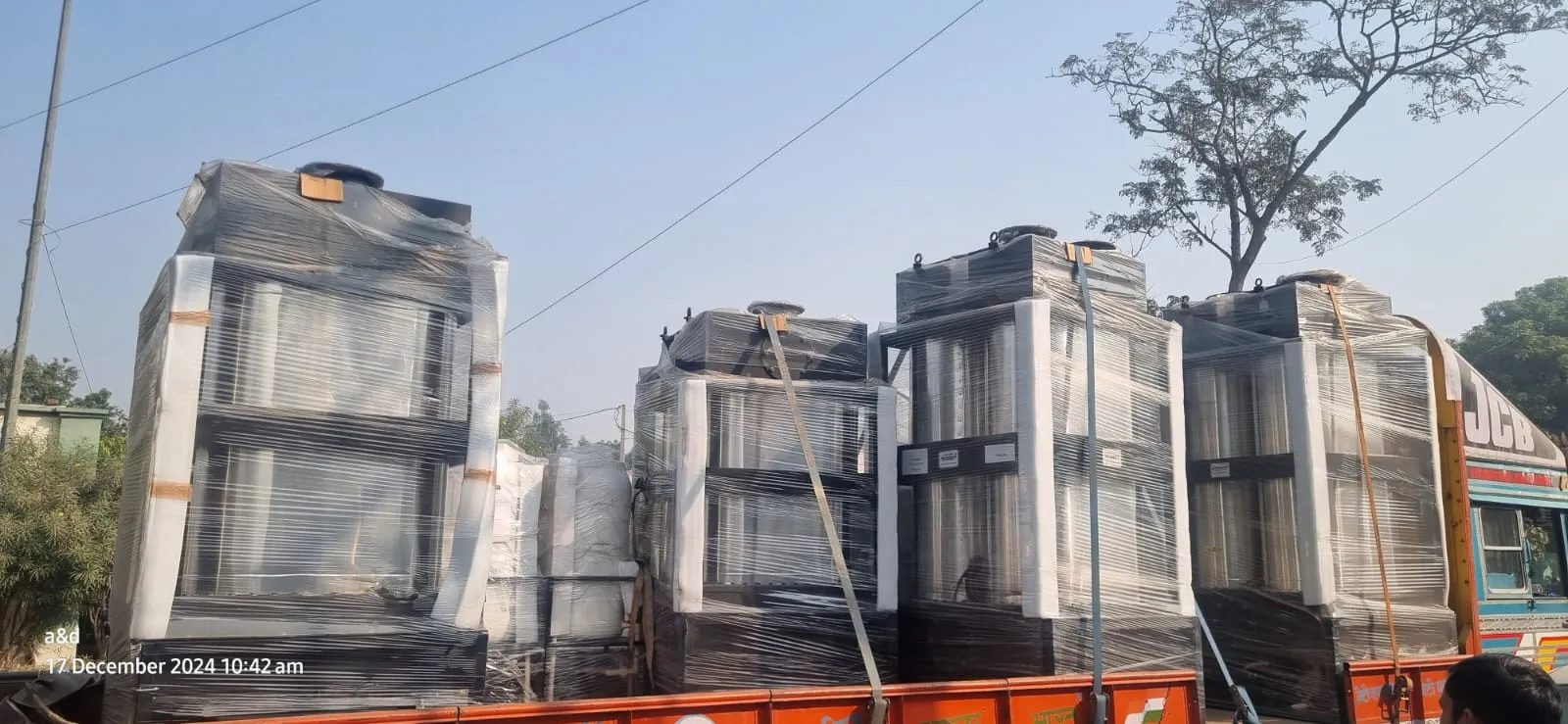
What Is RECD? A Plain-English Guide to Retrofit Emission Control Devices for Diesel Generators
RECD explained without jargon: what a Retrofit Emission Control Device does, who must install one, what it costs by kVA, how installation works, and how to decide between RECD, dual-fuel, and replacing your genset.
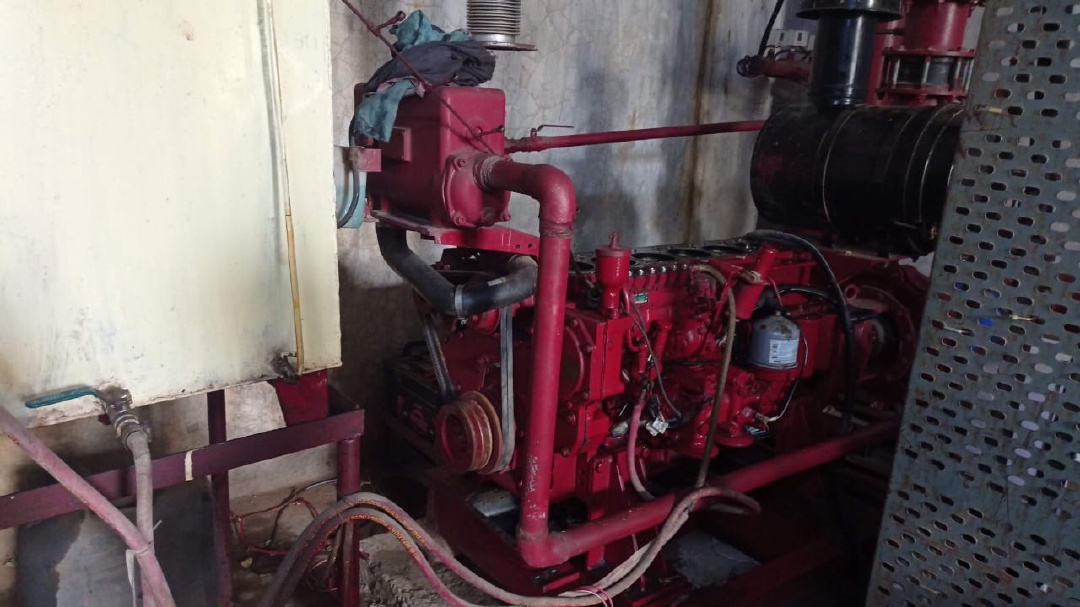
Silent Generators on Rent: dB Levels, Prices, and How to Choose the Right Canopy Grade
What 'silent generator' actually means in dB terms, the CPCB 75 dB noise norm, indicative silent DG rental rates by kVA in Delhi NCR, and how to pick the right acoustic grade for weddings, offices, hospitals, and sites.
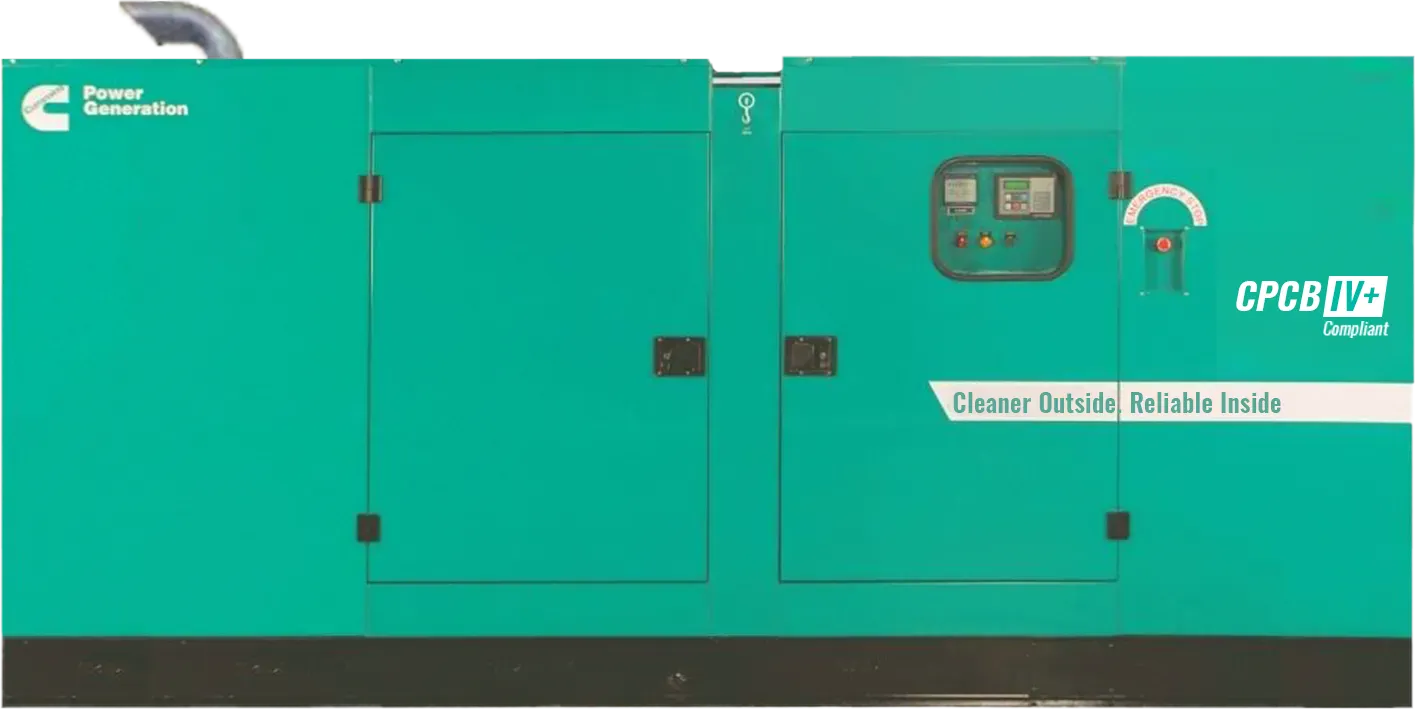
Understanding CPCB IV+ Emission Standards for Diesel Generators in India
Complete guide to CPCB IV+ emission norms - what they mean for your business, compliance deadlines, penalties for non-compliance, and how to upgrade your existing genset.
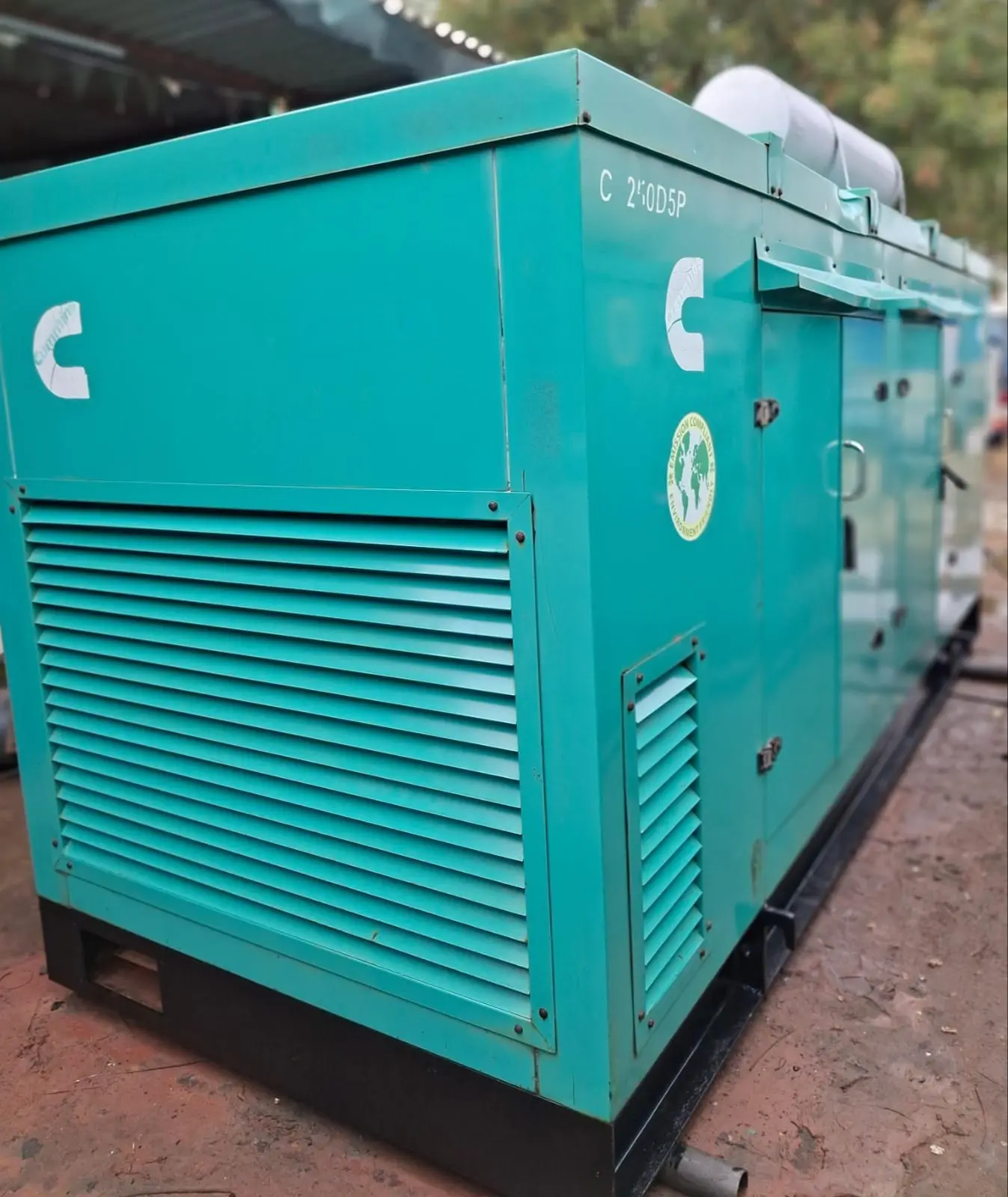
Generator Buying Guide: New vs Used - Making the Right Choice in 2026
Should you buy a new diesel generator or a quality used one? This comprehensive guide compares cost, warranty, performance, and ROI to help you decide.
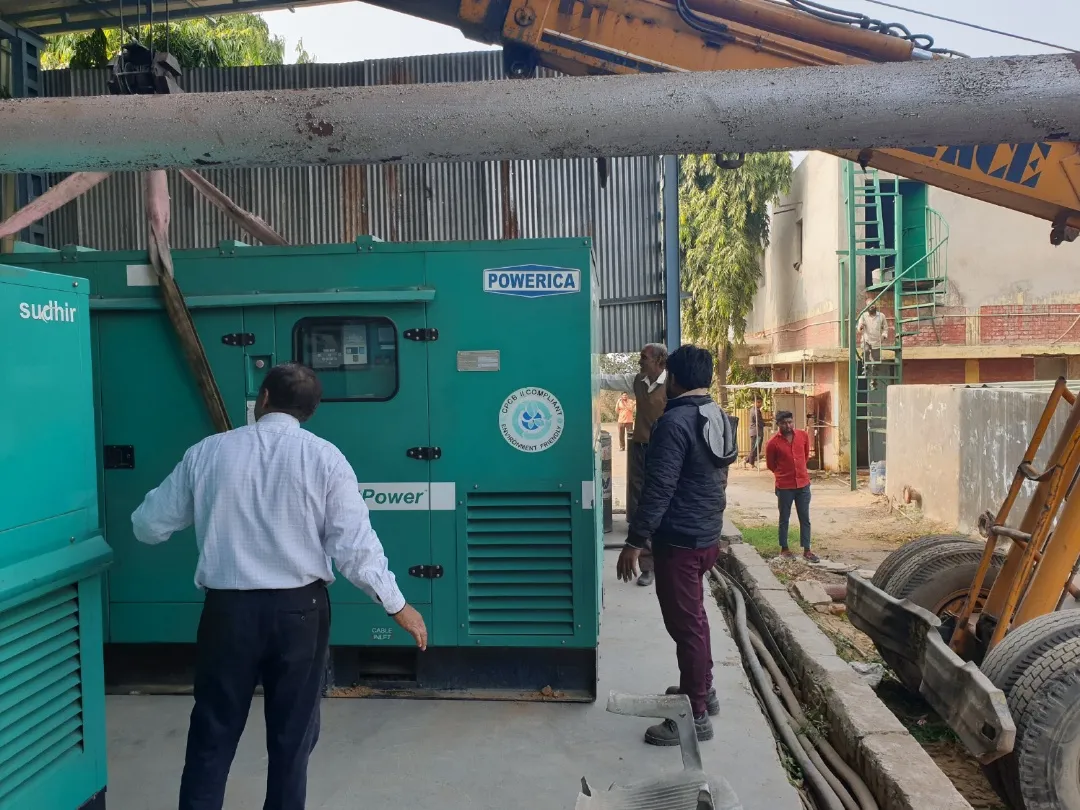
Generator Rental vs Purchase: Complete Cost Analysis for Indian Businesses
Should you rent or buy a diesel generator? Detailed cost breakdown, ROI analysis, and real-world scenarios to help businesses in Delhi-NCR and Rajasthan make the right call.
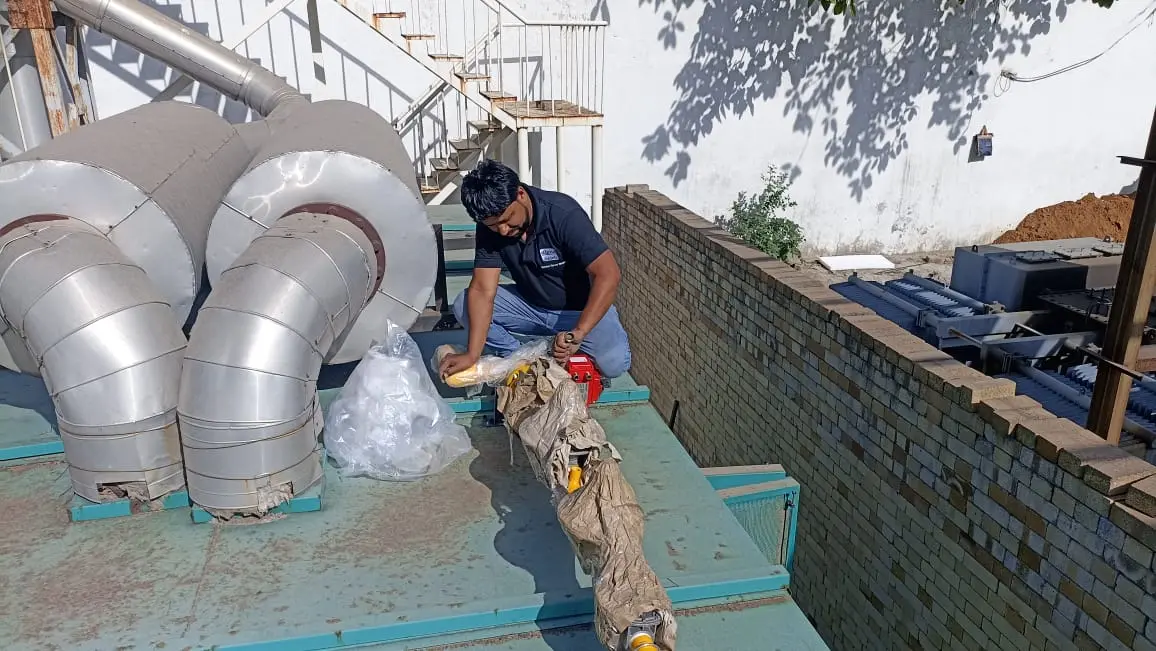
AMC Best Practices: Maximizing Generator Performance and Lifespan
How a professional Annual Maintenance Contract (AMC) can extend your generator's life by 50%, prevent costly breakdowns, and save lakhs in emergency repairs.
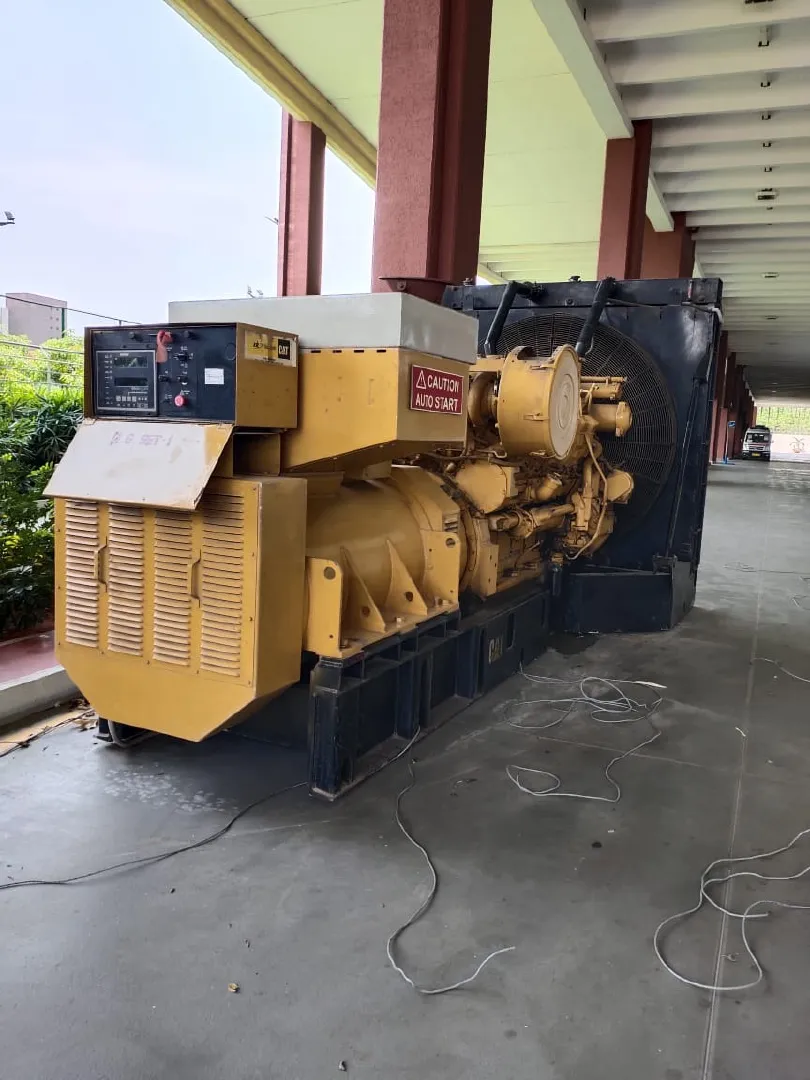
Industrial Generator Sizing: How to Choose the Right kVA Capacity
Step-by-step guide to calculate the exact generator capacity your factory or business needs. Avoid the costly mistakes of over-sizing and under-sizing.
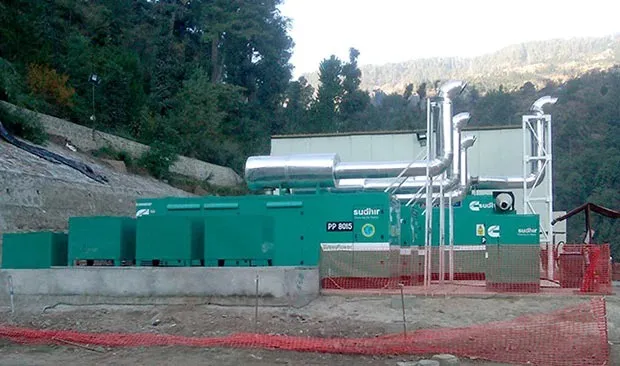
Genset Rental Guide for Events, Construction & Industrial Projects in Delhi-NCR
Everything you need to know about renting a diesel generator in Delhi-NCR and Rajasthan - pricing, capacity selection, delivery timelines, and what to ask your rental provider.
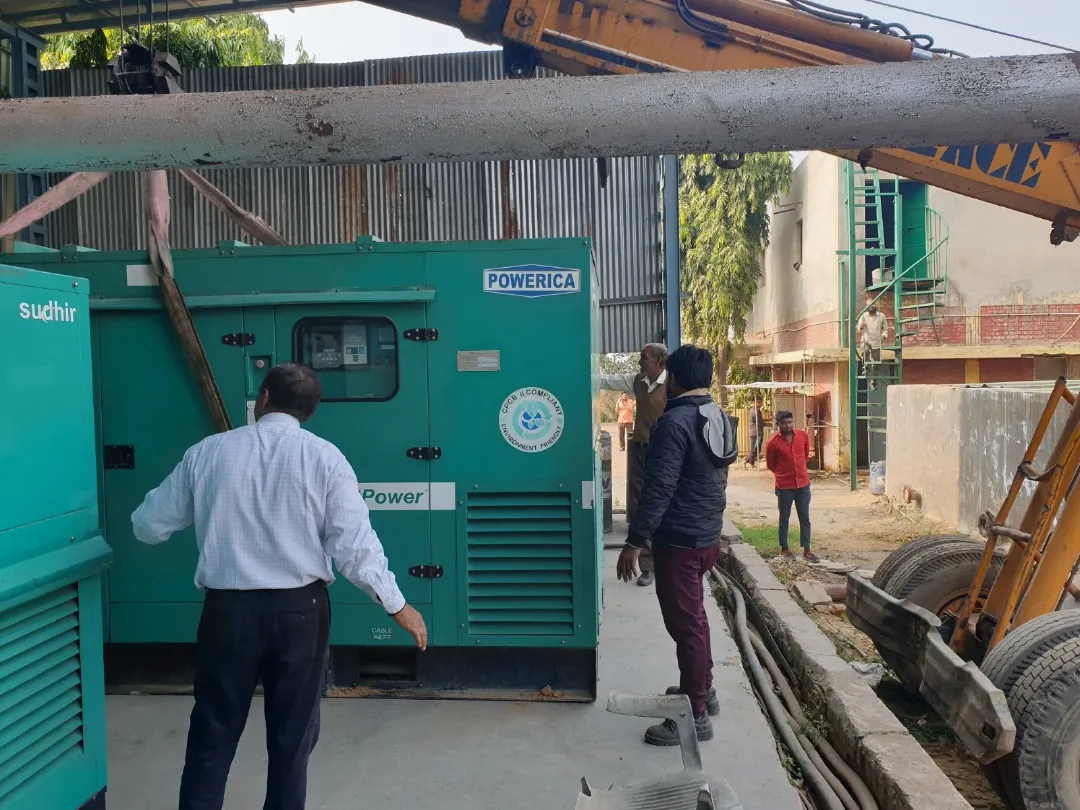
Diesel Generator Installation Guide: Site Preparation, Safety & Compliance
Complete guide to installing a diesel generator - from foundation requirements and ventilation to exhaust chimney specifications and electrical panel connections.
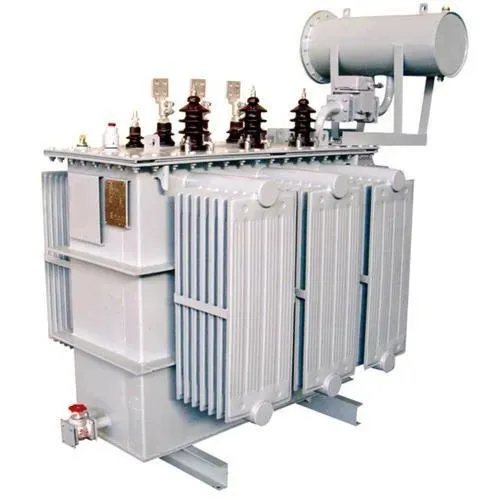
Understanding Transformer Sizing: 25 KVA to 5000 KVA for Industrial Applications
How to select the right transformer capacity for your factory or commercial building. Covers distribution transformers, power transformers, and APFC panel integration.
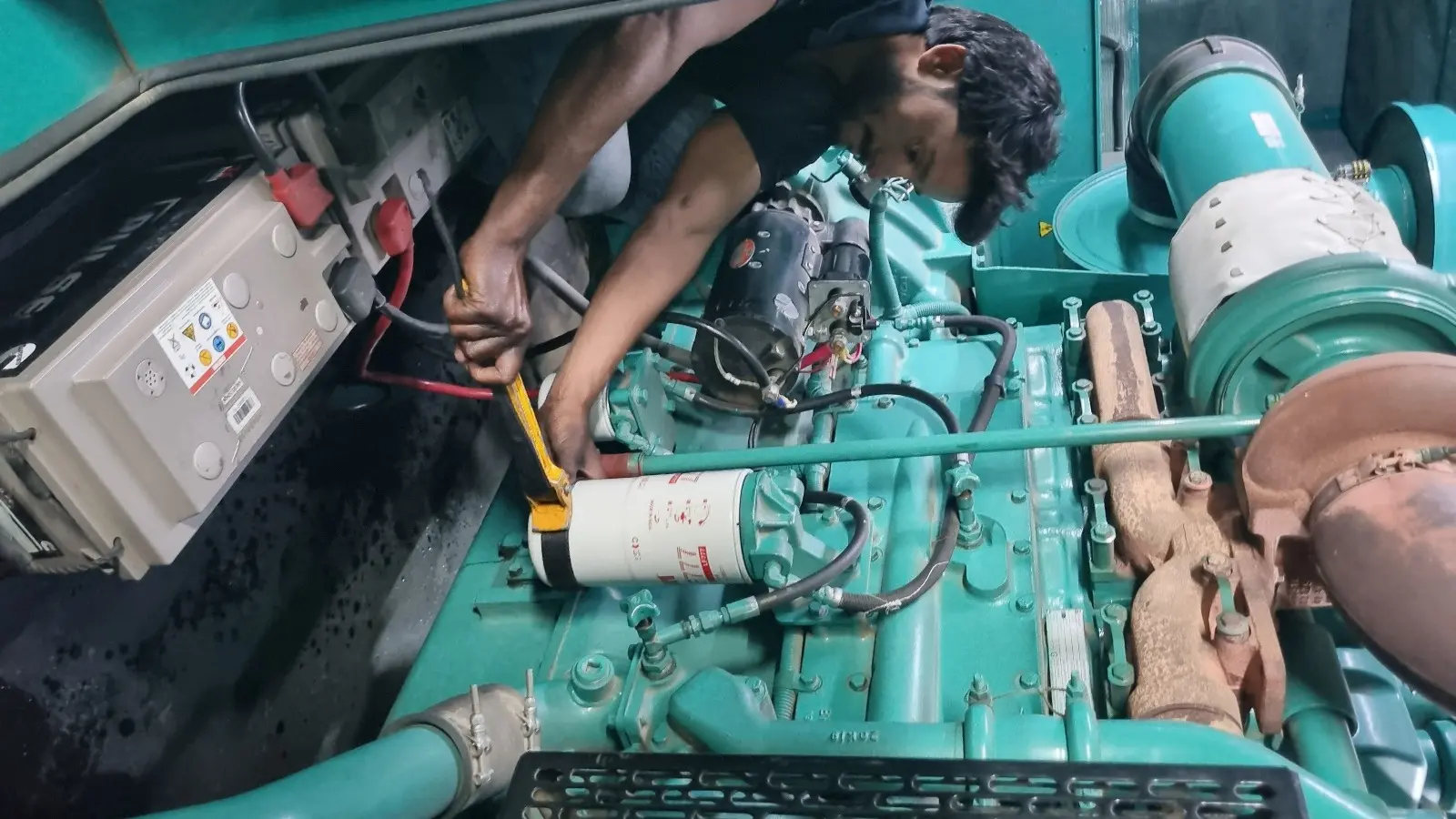
Top 10 Generator Maintenance Mistakes Costing Indian Industries Lakhs
Avoid these 10 common generator maintenance errors that lead to breakdowns, premature failures, and massive repair bills. Real-world examples from our 25+ years of field experience.
Why Bhiwadi's RIICO Industrial Area Trusts Alpha Diesels for Power Solutions
How Alpha Diesels became the go-to power solutions provider for 6,500+ industrial clients in Bhiwadi, Neemrana, Bawal, and the Delhi-Mumbai Industrial Corridor.
Dual Fuel Generators (Diesel + Gas): Cut Your Fuel Costs by Up to 40%
How dual fuel generator technology works, why it saves 30-40% on fuel costs, and whether it is the right choice for your factory or business in North India.
Emergency Power Backup Planning for Factories and Construction Sites
How to create a bulletproof emergency power plan for your factory or project site. Covers generator sizing, automatic transfer systems, fuel reserves, and rapid deployment options.
Greaves vs Kirloskar Generators: Honest Comparison by the Authorized Greaves Dealer
An unbiased comparison of Greaves Cotton vs Kirloskar Oil Engines (KOEL) diesel generators - performance, pricing, technology, and best use cases. From the authorized Greaves Cotton dealer that also services KOEL gensets across all major brands.
Delhi NCR Diesel Generator Rules 2026: What's Banned, What's Allowed, How to Stay Compliant
CAQM enforcement is active across Delhi NCR. This guide explains exactly which generators can legally operate today, which are banned, the GRAP seasonal restrictions, fines you face, and the three legal compliance paths - RECD retrofit, new CPCB IV+ purchase, or buy-back trade-in.
RECD Price Guide for Diesel Generators in India 2026 (5 kVA to 1500 kVA)
Transparent installed-cost bands for Retrofit Emission Control Devices across every kVA capacity. What drives the price, which RECD brand to choose, how long install takes, and whether retrofit beats new CPCB IV+ replacement for your specific genset.
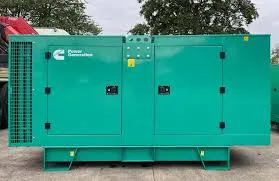
Generator Hire in Delhi NCR: Per-Day Price Chart by kVA (10 to 2000 kVA)
Transparent per-day, per-week, and per-month rental price bands for diesel generators across Delhi NCR. What's included, what costs extra, delivery SLA, fuel arrangement, deposit terms, and how rates change with duration.
What Is My Old Diesel Generator Worth? Used DG Valuation Guide India 2026
How used diesel generator depreciation actually works, indicative buyback price bands by brand tier x age x capacity, the factors that lift or depress price, and how to prepare your unit for the best offer.
Generator Load Bank Testing: When You Need It, Procedure, and Cost in India
Why load bank testing matters for emergency backup gensets, how the test actually works, what passes vs fails, NABL certification, and indicative cost across capacity bands. Critical reading for hospital, data center, and IT/ITES facility managers.
GRAP Stages and Generators: What Can Run at Each Stage in Delhi NCR (2026-27 Season Guide)
Why GRAP Decides Whether Your Generator Runs This Winter
Every winter, roughly October to February, the Commission for Air Quality Management (CAQM) activates the Graded Response Action Plan (GRAP) across Delhi NCR. GRAP is a four-stage emergency framework triggered by Air Quality Index (AQI) readings, and each stage progressively tightens what diesel generators can do. For factories, hotels, hospitals, high-rise societies, and event organisers, GRAP is not an abstract policy: it decides whether your backup power is legal on the exact days you need it most, because winter is also when NCR's grid comes under the greatest stress.
This guide explains, stage by stage, what typically happens to generator operation under GRAP, which genset categories retain operating allowances, and what to do now so a Stage 3 announcement does not catch your facility unprepared. It builds on our detailed Delhi NCR generator rules compliance guide, which covers the underlying CAQM Directions in depth.
The Regulatory Backbone: Three CAQM Directions
Three CAQM Directions shape generator operation in NCR:
- Direction 71 (2022): set the framework requiring generators to move to CPCB IV+ compliance or retrofit an approved Retrofit Emission Control Device (RECD), with capacity-tier transition windows.
- Direction 76 (2023): introduced the operational restrictions that bite during GRAP stages, defining which fuel and emission categories may run as air quality deteriorates.
- Direction 89 (2025): added enforcement muscle, including ANPR-linked infrastructure, making inspection-and-fine cycles faster than earlier years.
The practical outcome: your genset's emission category (CPCB IV+, RECD-retrofitted, dual-fuel or gas, or plain older diesel) determines its GRAP treatment. If you are not sure which category your unit falls into, our free CPCB Compliance Checker gives you a directional verdict in 30 seconds from just the kVA, manufacture year, and location.
GRAP Stage by Stage: What It Means for Generators
GRAP stages are declared based on AQI bands, and restrictions accumulate as stages escalate. The pattern in recent seasons has been:
Stage 1 ("Poor" air quality)
General dust and emission controls tighten across NCR. Generator enforcement attention rises, but compliant gensets (CPCB IV+, RECD-retrofitted, dual-fuel or gas) continue normal operation. This is your last comfortable window to fix compliance gaps: RECD installation takes 1 to 3 working days, and installers get booked out once Stage 2 looms.
Stage 2 ("Very Poor")
Scrutiny of diesel generator use intensifies, and non-compliant units face restriction. Facilities are expected to shift essential loads toward compliant equipment or grid alternatives. Inspections in industrial belts become routine rather than exceptional.
Stage 3 ("Severe")
This is the stage that hurts unprepared operators. Even compliant gensets can face limits on hours of operation, and non-compliant diesel units are effectively off the table. Emergency exemptions apply to essential services such as hospitals, telecom infrastructure, defence, water supply, and emergency operations, provided documentation is in order. If your facility qualifies, the paperwork must exist before the inspector arrives, not after.
Stage 4 ("Severe+")
The most restrictive stage. Generator operation narrows to essential and exempted uses. For everyone else, the questions become: how good is your grid arrangement, and did you convert to a fuel category that still has allowances?
Important: the exact permissions in force at any moment come from the current CAQM order for that stage and season. Treat the pattern above as planning guidance, and verify the live order text (or ask us) before making operating decisions on a Severe day.
The Generator Hierarchy Under GRAP
Across recent seasons, a clear hierarchy has emerged in how generator categories are treated as stages escalate:
- Gas and dual-fuel gensets: the strongest position. Because gas combustion cuts particulate emissions dramatically, PNG/CNG-fuelled and dual-fuel converted generators have received the widest operating allowances during GRAP periods. For facilities inside PNG pipeline zones, dual-fuel conversion is the single best GRAP insurance available.
- CPCB IV+ diesel gensets: the compliant diesel baseline. New CPCB IV+ generators operate normally through Stages 1 and 2 and retain the best diesel-side treatment in deeper stages.
- RECD-retrofitted older gensets: broadly aligned with the compliant category, at a fraction of replacement cost. Installed RECD cost ranges from about Rs 0.5 to 1.2 lakh for 5 to 25 kVA units up to Rs 5 to 8 lakh for 500 to 1500 kVA units; see our full RECD price guide by kVA.
- Non-compliant older diesel: restricted earliest and hardest. Running one during Stage 3 or 4 risks fines and, worse, premises sealing that can outlast the smog season itself.
Who Gets Essential-Service Exemptions
Hospitals and healthcare facilities, telecom towers and data infrastructure, defence establishments, water supply and sewage operations, railways and metro, and genuine emergency operations have consistently received exemptions, with documentation. If you operate in one of these categories, prepare a compliance file now: genset registration and emission category proof, CTO papers, exemption category evidence, and a maintenance log showing the unit meets its emission claims. An exempted hospital running a poorly maintained genset that visibly smokes is still an enforcement target.
Your Pre-October Preparation Checklist
- Categorise your fleet now. Run each genset through the compliance checker. Anything RED needs a decision this quarter: RECD retrofit, dual-fuel conversion, replacement, or buyback and upgrade.
- Book retrofits before the rush. RECD and dual-fuel installers run waiting lists from September onward. An installation booked in July or August costs the same and removes the risk.
- Check PNG availability at your site. If your zone has pipeline gas, dual-fuel conversion pays back through fuel savings of 30 to 55% even before counting its GRAP advantages.
- Line up compliant rental cover. If your permanent unit will be restricted, a compliant rental genset bridges the season. Our rental fleet is CPCB IV+ compliant, which matters precisely during GRAP when non-compliant rentals are as restricted as non-compliant owned units.
- Prepare exemption paperwork if you qualify as an essential service, and brief your facility team on what inspectors ask for.
Delhi Facilities: A Note on Enforcement Reality
Delhi proper sees the earliest and strictest enforcement, with DPCC inspections concentrated in industrial areas like Okhla, Naraina, Mayapuri, Bawana, and Narela, and increasing attention to commercial buildings and residential societies. If you operate in Delhi, our dedicated Delhi generator services page covers rental, RECD retrofit, dual-fuel conversion, and new CPCB IV+ supply with a 6 hour onsite SLA.
Get GRAP-Ready With One Call
Alpha Diesels has served 6,500+ clients across NCR and Rajasthan since 1996. We handle all three GRAP-resilience paths in-house: CPCB-approved RECD retrofits with certification, dual-fuel conversions, and new CPCB IV+ Greaves genset supply, plus compliant rentals for seasonal cover. Call or WhatsApp +91-97993-03700 for a free compliance assessment before the season starts.
What Is RECD? A Plain-English Guide to Retrofit Emission Control Devices for Diesel Generators
RECD in One Paragraph
RECD stands for Retrofit Emission Control Device. It is a pollution-control system, built around a diesel particulate filter (DPF), that bolts into the exhaust line of an existing diesel generator and captures the soot and particulate matter the engine produces. A CPCB-approved RECD brings an older generator's emissions down to levels aligned with the current CPCB IV+ regime, which means the genset you already own can stay legal instead of being replaced. For most operators in Delhi NCR and India's 131 NCAP cities, RECD is the cheapest legal path to compliance.
Why RECD Exists: The Regulatory Context
India's CPCB IV+ emission norms, effective for new gensets from mid-2023, cut permissible particulate emissions by roughly 90% versus the older CPCB II standard. New generators meet these norms with built-in after-treatment. But millions of installed gensets predate the norms, and replacing them all at once is economically impossible. The regulatory answer, formalised for NCR through CAQM Direction 71 and mirrored by state pollution boards, is retrofit: install an approved emission control device on the existing engine, prove the emission reduction, and keep operating. Our Delhi NCR compliance guide covers the full direction-by-direction history.
How an RECD Actually Works
A typical CPCB-approved RECD package contains:
- Diesel Particulate Filter (DPF): a ceramic honeycomb that physically traps particulate matter as exhaust gas flows through. Capture efficiencies for approved devices are high enough to transform visible black smoke into near-clear exhaust.
- Regeneration system: trapped soot must periodically be burned off (regenerated) so the filter does not clog. Devices manage this through exhaust temperature management or assisted regeneration cycles.
- Monitoring instrumentation: back-pressure sensors that warn when the filter is loading up, since excessive exhaust back-pressure hurts engine performance and fuel consumption.
- Certification documentation: approved devices come with test certification (agencies such as ARAI or ICAT), and the installer hands over the compliance pack you will show the pollution board.
Who Needs an RECD
You are in RECD territory if your diesel generator predates CPCB IV+ and you operate where enforcement is active: Delhi NCR first, and increasingly the NCAP non-attainment cities. Eligibility spans roughly 5 to 1500 kVA. The alternative paths are buying a new CPCB IV+ genset, converting to dual-fuel operation, or selling the old unit into our buyback program and upgrading. Which path wins depends on your genset's age, condition, running hours, and location; the honest answer differs case by case, which is why we always start with a free site assessment rather than a quote.
What RECD Costs in 2026 (Installed, by kVA)
Indicative installed cost bands, including device, fitment, and certification support:
| Genset Capacity | Indicative Installed Cost |
|---|---|
| 5 - 25 kVA | Rs 0.5 - 1.2 lakh |
| 25 - 100 kVA | Rs 1.0 - 1.8 lakh |
| 100 - 250 kVA | Rs 1.5 - 3.0 lakh |
| 250 - 500 kVA | Rs 3.0 - 5.0 lakh |
| 500 - 1500 kVA | Rs 5.0 - 8.0 lakh |
Two operators with the same kVA can pay 40 to 60% different amounts depending on device brand, exhaust layout complexity, engine condition, and site access. The full variable-by-variable breakdown is in our RECD price guide by kVA capacity.
The Installation Process, Step by Step
- Site assessment (free, within 48 hours): we audit the genset, exhaust routing, canopy space, and engine health. A worn engine that burns oil will clog any DPF prematurely, so honest assessment protects your investment; if the engine needs attention first, our engine repair team handles it.
- Device selection and quote: matched to your engine brand (Cummins, KOEL, Greaves, Mahindra and others), capacity, and duty cycle.
- Installation (1 to 3 working days): exhaust line modification, device mounting, sensor fitment, and commissioning. Canopy modifications, if needed, are done in-house.
- Certification and paperwork: emission verification and the documentation pack for your pollution board Consent to Operate (CTO) filing, which we support end to end.
Living With an RECD: Maintenance
A DPF is a filter, and filters need service. Plan for periodic regeneration and cleaning cycles, with frequency driven by running hours, load profile, fuel quality, and engine condition. Budget a modest annual maintenance line for the device (cleaning intervals and costs are covered in the price guide), and fold it into your generator AMC so it never gets forgotten: our AMC plans include RECD upkeep for retrofitted units. Skipping DPF maintenance leads to rising back-pressure, power loss, higher fuel burn, and eventually a damaged filter, which converts a small service cost into a large replacement cost.
RECD vs Dual-Fuel vs New Genset: A 60-Second Decision Frame
- Choose RECD when the genset is mechanically healthy, mid-life, and you need compliance at the lowest capital cost, especially in the 100 to 500 kVA band where retrofit economics are strongest.
- Choose dual-fuel conversion when PNG pipeline gas reaches your site and the genset runs enough hours for 30 to 55% fuel savings to pay back the conversion, with stronger GRAP-season allowances as a bonus; see our GRAP stage-by-stage guide.
- Choose a new CPCB IV+ unit when the existing engine is old, overhauled multiple times, or undersized for your current load; pair it with our buyback so the old unit funds part of the upgrade.
Thirty seconds with the free CPCB Compliance Checker tells you which lane you are likely in, with cost bands for each.
Get an Honest RECD Recommendation
Alpha Diesels installs CPCB-approved RECDs across all major engine brands, with certification handed over post-install and CTO filing support included. Because we also sell new gensets, convert dual-fuel, and buy back old units, we have no incentive to push retrofit where it is wrong for you. Call or WhatsApp +91-97993-03700 for a free 48-hour site assessment across Bhiwadi, Delhi NCR, and Rajasthan.
Silent Generators on Rent: dB Levels, Prices, and How to Choose the Right Canopy Grade
What "Silent Generator" Actually Means
Every generator rental enquiry in Delhi NCR eventually asks the same question: is it silent? The honest answer is that "silent" is a measurable specification, not a marketing word. India's CPCB noise norm for DG sets requires 75 dB(A) measured at 1 metre from the enclosure. Anything sold or rented as a compliant unit must meet that. Within the compliant range, acoustic canopy engineering then determines how much quieter than the norm a unit runs:
| Canopy Grade | Noise Level | Typical Use |
|---|---|---|
| Standard | 75 dB(A) @ 1 m | Construction sites, industrial yards |
| Silent | 65 dB(A) | Weddings, events, commercial buildings |
| Super-Silent | 58 dB(A) | Residential societies, offices, film shoots |
| Hospital Grade | 55 dB(A) | Hospitals, hotels, studios |
For context, 75 dB is roughly a busy street, 65 dB is normal conversation at close range, and the high-50s fades behind ambient city noise. The engineering that produces the difference lives in the canopy: double-skin construction, mineral wool density, residential-grade silencers, and airflow design. Our canopy fabrication page details the four acoustic grades if you want the construction specifics.
Silent DG Rental Rates in Delhi NCR (Indicative)
Silent-canopy diesel generators rent at these indicative per-day rates across Delhi NCR and Rajasthan (full daily, weekly, and monthly charts in our rental price chart):
| Capacity | Per Day | Per Month |
|---|---|---|
| 10 kVA | Rs 2,200 - 2,800 | Rs 35,000 - 45,000 |
| 25 kVA | Rs 3,500 - 4,500 | Rs 50,000 - 65,000 |
| 62.5 kVA | Rs 5,500 - 7,000 | Rs 85,000 - 1.05 lakh |
| 125 kVA | Rs 8,000 - 10,000 | Rs 1.25 - 1.55 lakh |
| 250 kVA | Rs 14,000 - 18,000 | Rs 2.4 - 3.1 lakh |
| 500 kVA | Rs 28,000 - 40,000 | Rs 5 - 6.5 lakh |
Rates vary with duration, delivery distance, operator inclusion, and season; wedding-season weekends book out early. Standard acoustic canopies are included in these bands because our entire rental fleet is canopied and CPCB IV+ compliant.
Matching the Grade to the Job
Weddings and outdoor events
A 65 dB silent unit placed 15 to 20 metres from the function area disappears under music and crowd noise. Size for the true peak load (sound systems, lighting rigs, and catering equipment surge together in the evening) and insist on the acoustic grade in writing. For multi-day events, weekly rates beat stacked daily rates.
Residential societies and RWAs
Neighbours and noise complaints are the constraint, so 58 dB super-silent units earn their premium. Position matters as much as the canopy: hard walls reflect sound, so corner placements against buildings can add perceived loudness that an open placement avoids.
Hospitals, hotels, and studios
Specify hospital-grade 55 dB with exhaust routing away from wards or rooms. These bookings should also verify emission category, since healthcare facilities attract enforcement attention during GRAP season; our GRAP guide explains why compliant rentals matter most in winter.
Construction and industrial sites
Standard 75 dB canopies are usually sufficient and cheaper. Spend the savings on the right capacity instead: an undersized genset running at 100% load is louder, thirstier, and less reliable than a correctly sized one at 70%.
Five Questions to Ask Any Silent DG Rental Vendor
- What is the measured dB at 1 metre? Get the number, not the word "silent".
- Is the unit CPCB IV+ compliant? In NCR this decides whether it can legally run during GRAP restrictions.
- What does the rate include? Delivery, installation, cabling, operator, fuel arrangement, and pickup vary between vendors and quietly change the real price.
- What is the breakdown response SLA? A silent generator that fails mid-event is very loud commercially. We commit 2 to 8 hour onsite SLAs by city, from Bhiwadi and Gurgaon to Delhi.
- How is fuel consumption estimated? Run your load and hours through our free fuel consumption calculator before the event so the diesel budget is a number, not a surprise.
Book a Silent Generator With a Real SLA
Alpha Diesels rents silent-canopy diesel generators from 5 kVA to 2000 kVA across Delhi NCR and Rajasthan: weddings, corporate events, film shoots, construction sites, society backup, and industrial shutdown cover. Free delivery in NCR, 24/7 support, and committed onsite response times. Call or WhatsApp +91-97993-03700 with your date, load, and venue for a same-day quote.
Understanding CPCB IV+ Emission Standards for Diesel Generators in India
What Are CPCB IV+ Emission Standards?
The Central Pollution Control Board (CPCB) IV+ emission standards are the latest and most stringent environmental regulations for diesel generators in India. Effective from July 2023, these norms apply to all new diesel gensets sold, rented, or installed across the country. The standards set strict limits on particulate matter (PM), nitrogen oxides (NOx), carbon monoxide (CO), and hydrocarbons (HC) emitted by diesel generator engines.
For context, CPCB IV+ norms reduce permissible PM emissions by nearly 90% compared to the older CPCB II standards. This is a massive leap - and it directly impacts every factory, construction site, commercial building, and residential complex that relies on diesel backup power in India.
Why Were These Standards Introduced?
Delhi-NCR and many North Indian cities consistently rank among the most polluted in the world. Diesel generators are significant contributors to urban air pollution, especially during winter months when power demand peaks. The CPCB IV+ norms are part of India's broader push toward cleaner air - alongside BS-VI vehicle emission standards and the National Clean Air Programme (NCAP).
For industries in Bhiwadi, Neemrana, Manesar, Bawal, and the broader RIICO industrial belt of Rajasthan, compliance is not optional. State Pollution Control Boards actively inspect industrial units, and non-compliant gensets can result in hefty fines - ranging from ₹1 lakh to ₹15 lakh depending on capacity and violation history.
CPCB IV+ Emission Limits at a Glance
The permissible emission limits vary by generator capacity (kVA rating). Smaller gensets (up to 19 kW) have different thresholds than larger industrial units (above 800 kW). The key pollutants regulated include:
- Particulate Matter (PM): Reduced by up to 90% from previous norms
- Nitrogen Oxides (NOx): Significantly tighter limits, requiring advanced combustion technology
- Carbon Monoxide (CO): Controlled through improved engine design and exhaust treatment
- Hydrocarbons (HC+NOx combined): Overall cap to minimize smog-forming pollutants
What About Existing Generators? Do You Need to Replace Them?
If your factory or business runs an older genset (pre-CPCB IV+), you are not required to immediately replace it - but you cannot purchase or install a new non-compliant unit. However, many state pollution control boards are now requiring existing gensets above 125 kVA to be retrofitted with emission control devices.
This is where Retrofit Emission Control Devices (RECD) come in. An RECD is a bolt-on exhaust treatment system - typically a diesel particulate filter (DPF) - that brings your existing generator's emissions down to CPCB IV+ compliant levels without replacing the entire genset. At Alpha Diesels, we supply and install RECD solutions for generators of all capacities, saving you 60-70% compared to buying a new genset.
How to Ensure Your New Generator Is CPCB IV+ Compliant
When purchasing a new diesel generator, verify these points:
- Type Approval Certificate: Every CPCB IV+ compliant genset comes with a type approval certificate from an authorized testing agency (like ARAI or ICAT)
- Engine technology: Look for common rail direct injection (CRDI) engines, which are standard in CPCB IV+ generators
- After-treatment system: Larger gensets may include diesel oxidation catalysts (DOC) or diesel particulate filters (DPF)
- Authorized dealer purchase: Buy from authorized dealers who provide proper documentation and compliance certificates
As an authorized dealer for Greaves Cotton - a brand with 163+ years of engineering legacy - Alpha Diesels supplies CPCB IV+ compliant diesel generators from 5 kVA to 2500 kVA. Every unit comes with complete compliance documentation, type approval certificate, and installation support.
Key Benefits of CPCB IV+ Compliant Generators
- Legal compliance: Avoid fines and shutdowns from pollution control board inspections
- Better fuel efficiency: CRDI engines in CPCB IV+ gensets consume 10-15% less fuel than older mechanical injection engines
- IoT-enabled monitoring: Many new compliant generators come with remote monitoring, allowing you to track fuel consumption, load, and runtime from your phone
- Higher resale value: Compliant gensets retain value better in the secondary market
- Environmental responsibility: Contribute to cleaner air in your industrial area and community
Need Help With CPCB IV+ Compliance?
Whether you need a brand-new CPCB IV+ generator or want to retrofit your existing genset with an RECD solution, Alpha Diesels has you covered. With 25+ years of experience serving 6,500+ clients across North India, our technical team can assess your current setup, recommend the most cost-effective compliance path, and handle installation and documentation. Call us at +91-97993-03700 or visit our facility in RIICO Industrial Area, Bhiwadi.
Generator Buying Guide: New vs Used - Making the Right Choice in 2026
The Big Question: New or Used?
Buying a diesel generator is a significant investment - a new 125 kVA genset can cost ₹8-12 lakh, while a quality refurbished unit of the same capacity might cost ₹3-5 lakh. That is a 50-70% difference. But price alone should not drive your decision. The right choice depends on your application, budget, timeline, and how long you plan to use the generator.
At Alpha Diesels, we sell both - new CPCB IV+ generators from Greaves Cotton and thoroughly inspected used generators from brands like Cummins, Kirloskar, Ashok Leyland, and Mahindra. Here is an honest comparison based on our 25+ years of experience serving industrial clients across Rajasthan and Delhi-NCR.
When a New Generator Is the Right Choice
Go new if any of these apply to your situation:
- Critical operations: Hospitals, data centers, telecom towers, and manufacturing lines where downtime costs lakhs per hour - you need the reliability of a factory-fresh engine with full warranty
- CPCB IV+ compliance is mandatory: If your state pollution board requires the latest emission norms, a new CPCB IV+ genset is the straightforward path
- Long-term deployment (10+ years): New generators have a typical lifespan of 15,000-30,000 running hours. Over a decade, the cost per hour works out competitive with used units
- IoT and remote monitoring needs: New Greaves generators come with IoT-enabled panels for remote fuel tracking, load monitoring, and predictive maintenance alerts
- Full warranty coverage: New gensets come with 2-year or 2,000-hour comprehensive warranty (whichever comes first) - covering engine, alternator, and control panel
When a Used Generator Makes Smart Business Sense
Used generators are ideal when:
- Budget is the priority: Get 50-70% savings upfront. A well-maintained used 250 kVA Cummins can run reliably for another 10,000+ hours
- Temporary or project-based needs: Construction projects, seasonal operations, or bridge power while waiting for grid connection
- Backup-only usage: If your generator runs less than 200 hours per year (pure backup), a used unit gives excellent value since wear is minimal
- Immediate availability: New generators can take 4-8 weeks for delivery. Used units from our inventory are available within 24-48 hours
- Lower depreciation: A used generator has already taken the biggest depreciation hit. Your investment holds value better from day one
Alpha Diesels' 52-Point Used Generator Inspection
Not all used generators are equal. At Alpha Diesels, every pre-owned genset goes through a rigorous 52-point inspection before it enters our inventory:
- Engine: Compression test, oil pressure, coolant system, turbocharger, injectors, governor response
- Alternator: Insulation resistance, winding condition, AVR test, voltage regulation under load
- Control panel: All protections (low oil pressure, high temperature, overload, reverse power), AMF functionality, display accuracy
- Fuel system: Tank integrity, fuel lines, filters, fuel pump pressure, injector spray pattern
- Structural: Base frame, anti-vibration mounts, canopy condition (if applicable), exhaust system
- Load test: Every unit is run at 50%, 75%, and 100% rated load for a minimum of 4 hours before sale
We provide a written inspection report and service history with every used generator we sell. Plus, our AMC plans cover used generators too - giving you the peace of mind of regular professional maintenance.
Cost Comparison: New vs Used (125 kVA Example)
| Factor | New Generator | Used Generator |
|---|---|---|
| Purchase Price | ₹8-12 Lakh | ₹3-5 Lakh |
| Warranty | 2 Years / 2,000 Hrs | 6 Months / 500 Hrs |
| Expected Lifespan | 20,000-30,000 Hrs | 10,000-15,000 Hrs |
| Fuel Efficiency | Best (CRDI engine) | Good (mechanical injection) |
| CPCB IV+ Compliant | Yes | May need RECD retrofit |
| Delivery Time | 4-8 Weeks | 24-48 Hours |
| Depreciation (Year 1) | 20-25% | 5-10% |
Our Recommendation
There is no universal answer. We have seen factories in Bhiwadi's RIICO Industrial Area run used Cummins 500 kVA gensets for 15 years without major issues - and we have also seen businesses waste money on cheap, uninspected used units that break down within months. The key is buying from a trusted source that provides transparent inspection reports, warranty, and after-sales support.
Visit Alpha Diesels at H-32, Phase-I, RIICO Industrial Area, Bhiwadi, or call +91-97993-03700 to discuss your requirements. We will recommend the best option - new or used - based on your actual needs, not on what generates the highest commission.
Generator Rental vs Purchase: Complete Cost Analysis for Indian Businesses
Rental vs Purchase: Why This Decision Matters
The choice between renting and purchasing a diesel generator can mean a difference of lakhs of rupees over just a few years. Get it right, and you save money while maintaining reliable power. Get it wrong, and you either overpay for a depreciating asset you barely use - or keep paying rent when ownership would have been cheaper long ago.
At Alpha Diesels, we offer both generator rental and sales. We have no bias toward either option - our goal is to match you with the solution that makes the most financial and operational sense for your specific situation.
When Generator Rental Is the Smarter Choice
1. Short-Term Projects (Under 24 Months)
If your power requirement has a defined end date - a construction project, a factory expansion, an event, or a seasonal operation - rental is almost always cheaper. A 125 kVA genset rental at ₹25,000-35,000/month for 12 months costs ₹3-4.2 lakh. Buying the same unit new would cost ₹8-12 lakh. The math is clear.
2. Uncertain or Fluctuating Power Needs
Many businesses in RIICO Industrial Area, Bhiwadi experience variable power demands - peak seasons, new contracts, shifting production schedules. Rental gives you flexibility to scale up or down. Need a 250 kVA this month but only 62.5 kVA next month? No problem. Try doing that with a purchased generator.
3. Zero Maintenance Hassle
When you rent from Alpha Diesels, maintenance is our responsibility. Oil changes, filter replacements, coolant top-ups, breakdown repairs - all included. You just use the power. For businesses without in-house technical staff, this alone can justify the rental premium.
4. Emergency and Bridge Power
Grid connection delayed? Transformer under repair? Sudden power outage during peak production? We deliver rental generators within 2-4 hours in Bhiwadi and 4-8 hours across Delhi-NCR. This kind of rapid deployment is only possible with a rental model.
When Purchasing Makes Better Sense
1. Continuous or Heavy Usage (1,000+ Hours/Year)
If your generator runs daily - whether as primary power or regular backup - purchase wins on cost-per-hour. A new 125 kVA genset at ₹10 lakh running 1,500 hours/year for 10 years costs about ₹67/hour (excluding fuel). Renting the same capacity for 10 years would cost ₹36-50 lakh.
2. Permanent Installations
Factories, hospitals, hotels, and data centers with permanent generator rooms should purchase. The installation (foundation, exhaust ducting, fuel piping, AMF panel) is a one-time cost that does not make sense for a rented unit.
3. Capital Is Available
If your business has the capital or can finance the purchase at reasonable interest rates (8-12%), ownership builds an asset on your balance sheet. Generators also qualify for depreciation benefits under Income Tax - up to 15% per year.
Real-World Cost Comparison
| Scenario | Rental Cost (3 Years) | Purchase Cost (3 Years) | Winner |
|---|---|---|---|
| Construction site, 500 hrs/year | ₹9-12.6 Lakh | ₹10 Lakh + ₹1.5L maintenance | Rental |
| Factory backup, 200 hrs/year | ₹9-12.6 Lakh | ₹10 Lakh + ₹0.8L maintenance | Purchase |
| Event company, sporadic use | ₹2-4 Lakh (per-event) | ₹10 Lakh + storage + maintenance | Rental |
| Hospital, 1500 hrs/year | ₹9-12.6 Lakh | ₹10 Lakh + ₹2L maintenance | Purchase |
The Alpha Diesels Hybrid Approach: Rent-to-Own
Not sure which way to go? We offer a rent-to-own program where a portion of your monthly rental payments is credited toward the purchase price. After 18-24 months, you can choose to buy the generator at a reduced price, continue renting, or return it. This gives you the flexibility of rental with the option to own - zero risk.
Free Power Consultation
Our engineers offer free site surveys and power consultations across Bhiwadi, Neemrana, Bawal, Gurugram, and Delhi-NCR. We will assess your load requirements, usage patterns, and budget to recommend whether rental or purchase makes more sense for your specific situation. Call +91-97993-03700 or WhatsApp us today.
AMC Best Practices: Maximizing Generator Performance and Lifespan
Why Generator Maintenance Is Not Optional
A diesel generator is a mechanical system with hundreds of moving parts operating under extreme conditions - high temperatures, heavy loads, vibration, and often harsh environments. Without regular maintenance, even a premium Cummins or Greaves genset will degrade rapidly. Industry data shows that 70% of generator failures are caused by neglected maintenance - not manufacturing defects.
The cost of a breakdown goes far beyond the repair bill. For a factory in Bhiwadi's RIICO Industrial Area running two shifts, every hour of unplanned downtime can mean ₹50,000-₹2,00,000 in lost production, spoiled materials, idle labor, and missed deadlines.
What a Professional AMC Includes
A comprehensive Annual Maintenance Contract (AMC) from Alpha Diesels covers every aspect of generator health:
Preventive Maintenance (Scheduled Visits)
- Engine oil and filter change: Every 250-500 running hours (or quarterly, whichever comes first). Using the correct grade of oil (typically 15W-40 CI-4 for CPCB IV+ engines) is critical - wrong oil accelerates wear
- Air filter inspection and replacement: Clogged air filters reduce engine efficiency by 10-15% and increase fuel consumption
- Fuel filter replacement: Contaminated fuel is the #1 killer of diesel injectors. Quality fuel filters prevent ₹30,000+ injector repairs
- Coolant level and quality check: Coolant degrades over time, losing its anti-corrosion properties. Annual coolant flush prevents radiator and water pump failures
- Battery testing: A weak battery is the most common reason a generator fails to start during a power outage. We test specific gravity, terminal voltage, and charging system health
Condition Monitoring
- Vibration analysis: Detects bearing wear, misalignment, and foundation issues before they cause catastrophic failure
- Exhaust smoke analysis: Black, blue, or white smoke patterns indicate specific engine problems - from injector issues to turbocharger failures
- Load bank testing: Running the generator at full rated load to verify it can deliver when needed. Many generators that "seem fine" at light loads fail under full load
Emergency Breakdown Support
- 24/7 helpline: Single-call access to our technical team, 365 days a year
- Response time: 2-4 hours in Bhiwadi, 4-8 hours across NCR
- Genuine spare parts: We stock all common spare parts and lubricants for Greaves, Kirloskar, Cummins, Ashok Leyland, and Mahindra generators
AMC vs Non-AMC: The Real Cost Difference
| Item | With AMC | Without AMC (Ad-Hoc Repairs) |
|---|---|---|
| Annual maintenance cost (125 kVA) | ₹18,000-25,000 | ₹35,000-50,000 |
| Average breakdown frequency | 0.5/year | 2-3/year |
| Response time | 2-4 hours | 12-48 hours |
| Generator lifespan | 20,000-30,000 hours | 12,000-18,000 hours |
| Fuel efficiency | Optimal | Degrades 10-20% over time |
Common Maintenance Mistakes We See in the Field
After servicing 6,500+ generators across North India, here are the most common mistakes our repair team encounters:
- Using automotive engine oil instead of genset-grade oil: Car engine oil does not handle the constant-speed, high-load operation of a generator
- Ignoring the air filter in dusty environments: In Rajasthan's climate, air filters need replacement every 250 hours - not the 500-hour interval recommended for clean environments
- Running at very low loads regularly: Operating below 30% load causes "wet stacking" - unburnt fuel accumulates in the exhaust, leading to carbon buildup and eventual turbocharger damage
- Skipping coolant maintenance: Old coolant turns acidic and corrodes the radiator from inside. A ₹500 coolant flush prevents a ₹30,000 radiator replacement
Choose the Right AMC Plan
Alpha Diesels offers three AMC tiers - Basic, Standard, and Comprehensive - covering generators from 5 kVA to 2500 kVA across all major brands. Whether your genset is new or 15 years old, we have a maintenance plan that fits. Contact us at +91-97993-03700 to schedule a free inspection and get a customized AMC quote.
Industrial Generator Sizing: How to Choose the Right kVA Capacity
Why Correct Generator Sizing Matters
Choosing the wrong generator size is one of the most expensive mistakes an industrial buyer can make - and it happens surprisingly often. An over-sized generator wastes fuel, increases maintenance costs, and can cause wet stacking (carbon buildup from running at low loads). An under-sized generator cannot handle peak loads, causes voltage drops, overheats, and can damage both the genset and your connected equipment.
We have seen factories in Bhiwadi purchase 500 kVA generators when 250 kVA would have been sufficient - wasting ₹5-8 lakh on unnecessary capacity. We have also seen businesses buy 62.5 kVA units for loads that actually require 125 kVA, leading to repeated shutdowns and equipment damage. Both scenarios are avoidable with proper load assessment.
Step 1: List All Connected Equipment
Start by listing every piece of equipment that will run on the generator. For each item, note:
- Running watts (kW): The continuous power the equipment consumes during normal operation
- Starting watts (kW): The surge power needed when the equipment starts. Motors and compressors typically need 3-6x their running watts for the first 2-5 seconds
- Power factor: Most industrial equipment has a power factor of 0.8. This means 100 kW of real power requires 125 kVA of apparent power from the generator
Step 2: Calculate Total Running Load
Add up all running watts. But do not just sum everything - apply a diversity factor. In a typical factory, not all equipment runs simultaneously. Common diversity factors:
- Manufacturing facility: 0.6-0.8 (60-80% of equipment runs at any given time)
- Commercial building: 0.7-0.9
- Hospital/Data center: 0.9-1.0 (critical - assume near-full load)
- Construction site: 0.5-0.7 (equipment usage is phased)
Step 3: Account for Starting Currents
The biggest sizing mistake is ignoring motor starting currents. When a large compressor, pump, or CNC machine starts, it draws 3-6 times its running current for a few seconds. Your generator must handle this surge without tripping or dropping voltage below acceptable limits (typically 10% voltage dip maximum).
Rule of thumb: identify your single largest motor. Your generator must be sized to handle all running loads PLUS the starting surge of that largest motor simultaneously.
Step 4: Add Future Expansion Margin
Always add 15-25% margin above your calculated requirement. This accounts for:
- New equipment added in the next 3-5 years
- Seasonal load variations
- Aging equipment drawing more power than rated
- Generator derating in high-temperature conditions (above 40°C, generators lose 3-4% capacity per 5°C)
Quick Sizing Examples
| Application | Typical Load | Recommended Generator |
|---|---|---|
| Small workshop (welding, drilling) | 15-25 kW | 40-62.5 kVA |
| Medium factory (CNC, compressor, lighting) | 60-100 kW | 125-160 kVA |
| Large factory (multiple motors, furnaces) | 150-400 kW | 250-625 kVA |
| Commercial building (lifts, HVAC, lighting) | 80-200 kW | 125-320 kVA |
| Construction site (crane, mixers, tools) | 40-150 kW | 82.5-250 kVA |
| Hospital (critical + comfort loads) | 100-300 kW | 200-500 kVA |
Free Site Survey and Sizing Consultation
Calculating generator size involves nuances that a simple formula cannot capture - motor starting sequences, harmonic loads from VFDs, UPS interactions, and site altitude/temperature derating. That is why Alpha Diesels offers free on-site power surveys across Bhiwadi, Neemrana, Bawal, Gurugram, Manesar, and Delhi-NCR. Our engineers will measure your actual load profile using clamp meters and power analyzers, then recommend the exact capacity you need - new or used.
Call +91-97993-03700 to book your free consultation.
Genset Rental Guide for Events, Construction & Industrial Projects in Delhi-NCR
Why Generator Rental Is Booming in Delhi-NCR
The industrial corridor stretching from Delhi through Gurugram, Manesar, Bawal, Neemrana, and into Bhiwadi is one of India's fastest-growing manufacturing and commercial hubs. With this growth comes massive power demand - and the electricity grid cannot always keep up. Grid outages, planned load shedding, delayed transformer installations, and seasonal shortages make generator rental a necessity, not a luxury.
Whether you are running a construction site in Gurugram, organizing a wedding event in Delhi, or setting up a new factory in RIICO Bhiwadi, having reliable temporary power is critical to your operations and timelines.
Types of Genset Rental Requirements We Serve
Construction Sites
Construction is the largest segment of our generator rental business. Requirements range from 25 kVA for small residential projects to 500+ kVA for large commercial and infrastructure builds. Key considerations:
- Rugged, outdoor-rated canopies: Construction environments are dusty, wet, and rough. Our rental generators come in weatherproof acoustic canopies that handle Rajasthan's 45°C+ summers and monsoon rains
- Fuel management: We offer optional fuel delivery service - no need to arrange your own diesel tanker
- Scalable capacity: As construction phases progress, power needs change. Start with 62.5 kVA during foundation work, scale to 250 kVA during finishing - we swap units at no extra charge
- CPCB IV+ compliance: Many construction permits now require CPCB-compliant generators, especially in Delhi-NCR's regulated zones
Events and Weddings
Outdoor events, farmhouse weddings, corporate conferences, and exhibitions need reliable power for lighting, sound systems, HVAC, and catering equipment. We provide:
- Silent generators (under 65 dB): Your guests should hear the music, not the generator
- Trained operator included: Our technician stays on-site throughout the event to manage the generator and handle any issues
- Same-day delivery: Last-minute event? We deliver within 4-6 hours in NCR
Industrial and Factory Backup
Factories in RIICO Bhiwadi, IMT Manesar, HSIIDC Bawal, and other industrial zones often need rental generators for:
- Bridge power while waiting for permanent transformer installation (often takes 3-6 months from DISCOM)
- Supplementing grid power during peak summer when load shedding increases
- Testing new production lines before committing to a permanent genset purchase
- Emergency backup when the primary generator is under repair
Generator Rental Pricing: What to Expect
Rental rates depend on capacity, duration, and location. Here are indicative monthly rates for the Bhiwadi-Delhi-NCR region:
| Capacity | Monthly Rental (Approx.) | Best For |
|---|---|---|
| 25-40 kVA | ₹8,000-15,000 | Small offices, shops, residential |
| 62.5 kVA | ₹15,000-22,000 | Small workshops, events |
| 125 kVA | ₹25,000-35,000 | Medium factories, construction |
| 250 kVA | ₹40,000-55,000 | Large factories, commercial buildings |
| 500 kVA | ₹70,000-95,000 | Heavy industrial, infrastructure projects |
| 1000+ kVA | Custom quote | Large-scale industrial, mining |
Rates include delivery, installation, and basic maintenance. Fuel is typically client-supplied or billed separately. Long-term rentals (6+ months) get 10-15% discounts.
What to Look for in a Rental Provider
Not all rental companies are equal. Before signing a rental agreement, verify:
- Fleet age and condition: Ask about the average age of their fleet. Generators older than 7-8 years have higher breakdown risk
- CPCB compliance: Ensure all units are CPCB IV+ compliant - non-compliant gensets can get your site sealed by pollution control authorities
- Breakdown response time: Get the SLA in writing. Alpha Diesels guarantees 2-4 hour response in Bhiwadi and 4-8 hours across NCR
- Replacement guarantee: If a unit breaks down and cannot be repaired on-site, will they provide a free replacement? (We do)
- Insurance and liability: Who is liable if the generator causes damage or injury? Ensure clear terms
Book a Generator Rental Today
Alpha Diesels maintains a fleet of 50+ rental generators ranging from 25 kVA to 1000+ kVA - Greaves, Kirloskar, Cummins, Ashok Leyland, and more. All units are CPCB IV+ compliant, regularly serviced, and available for immediate deployment across Bhiwadi, Neemrana, Bawal, Rewari, Gurugram, Delhi, Noida, and Faridabad.
Call +91-97993-03700 or WhatsApp us for an instant quote. No paperwork - we can have a generator running at your site within hours.
Diesel Generator Installation Guide: Site Preparation, Safety & Compliance
Proper Installation Is Half the Battle
A diesel generator is only as good as its installation. We have seen brand-new ₹15 lakh generators perform poorly, overheat, and fail prematurely - not because of any manufacturing defect, but because they were installed in cramped rooms with insufficient ventilation, on weak foundations, or with undersized cables. Conversely, we have seen 15-year-old gensets running perfectly because they were installed correctly from day one.
This guide covers everything you need to know about installing a diesel generator at your factory, commercial building, or industrial facility in compliance with Indian regulations.
Foundation and Civil Requirements
- Foundation type: Reinforced concrete (RCC) foundation, minimum 150mm thick for gensets up to 250 kVA, 200mm+ for larger units
- Foundation size: Extend at least 150mm beyond the generator base frame on all sides
- Anti-vibration mounts (AVM): Mandatory for all installations. Spring-type AVMs for indoor installations, rubber pads for outdoor
- Weight consideration: A 500 kVA generator can weigh 5,000-7,000 kg. Ensure the floor/foundation can handle this plus the fuel tank weight
- Drainage: Provide a containment bund around the generator for fuel/oil spill collection. This is a pollution control board requirement
Generator Room Design and Ventilation
This is where most installations go wrong. A diesel engine converts only 35% of fuel energy into electricity - the remaining 65% becomes heat. That heat must be removed, or the generator overheats and shuts down.
- Room size: Minimum 1.5 meters clearance on all sides of the generator for maintenance access and airflow
- Air inlet: Located at the opposite end from the radiator, at low level. Size: minimum 1.5x the radiator face area
- Hot air outlet: Behind the radiator, at high level. Must be ducted directly to the outside with weather louvers
- Ambient temperature: Generator room temperature must not exceed 50°C. Above this, the engine derates significantly
- Fire safety: Fire-rated doors (2-hour minimum), fire extinguishers (CO2 and DCP type), and smoke detection system
Exhaust and Chimney Requirements
The exhaust system is critical for both performance and CPCB compliance. Alpha Diesels designs and installs complete exhaust chimney systems for generators of all sizes:
- Chimney height: Minimum height depends on genset capacity and local pollution board norms. Typically 3 meters above the roofline for gensets up to 250 kVA
- Material: MS (mild steel) with heat-resistant paint for standard applications; SS 304 for corrosive environments
- Insulation: Exhaust pipes inside the generator room must be insulated with mineral wool and aluminum cladding to prevent heat radiation
- Flexible connection: Always use a flexible bellows between the generator exhaust outlet and the fixed chimney to absorb vibration
- Rain cap: Install at the chimney top to prevent water ingress
Electrical Connections
- Cable sizing: Use the generator manufacturer's cable sizing chart. Under-sized cables cause voltage drops, overheating, and fire risk
- Change-over system: AMF (Automatic Mains Failure) panel for automatic grid-to-generator switching, or manual changeover switch for smaller installations
- Earthing: Dedicated earth pit for the generator - do not share with the building earth. Earth resistance should be below 1 ohm
- Neutral treatment: Follow IS 3043 guidelines for generator neutral earthing
- Panel supply: Alpha Diesels supplies complete LT, HT, APFC, and synchronizing panels designed specifically for your generator and load configuration
Canopy and Acoustic Enclosure
Noise regulations in most Indian industrial areas limit generator noise to 75 dB at 1 meter. For residential and commercial zones, limits are even stricter (65 dB). Acoustic canopies and containers are the solution:
- Standard canopy: Reduces noise to 75 dB - suitable for industrial zones
- Silent canopy: Reduces noise to 65-68 dB - required for commercial and mixed-use areas
- Super-silent canopy: Reduces noise to 58-62 dB - ideal for hospitals, hotels, and residential buildings
Need Professional Installation Support?
Alpha Diesels provides end-to-end generator installation services - from foundation design and civil work supervision to exhaust chimney fabrication, electrical panel connection, and commissioning. Our installation team has completed 2,000+ installations across North India. Call +91-97993-03700 for a free site survey and installation quote.
Understanding Transformer Sizing: 25 KVA to 5000 KVA for Industrial Applications
Why Transformer Selection Matters
A transformer is the gateway between the utility grid and your facility's electrical system. Choose too small, and it overheats, trips, and limits your production capacity. Choose too large, and you pay unnecessarily high demand charges, fixed charges, and capital cost. In either case, the financial impact runs into lakhs annually.
Alpha Diesels supplies distribution and power transformers from 25 KVA to 5000 KVA for industrial installations across Rajasthan and Delhi-NCR. This guide helps you understand the sizing process and key specifications.
Distribution vs Power Transformers
| Feature | Distribution Transformer | Power Transformer |
|---|---|---|
| Capacity range | 25 KVA - 2500 KVA | Above 2500 KVA |
| Voltage levels | 11kV/33kV to 415V | 33kV/66kV/132kV |
| Typical use | Factories, commercial buildings | Substations, large industries |
| Cooling type | ONAN (Oil Natural Air Natural) | ONAF/OFAF (forced cooling) |
| Efficiency | 95-98% | 98-99.5% |
How to Calculate Required Transformer Capacity
The process is similar to generator sizing but with some key differences:
- Step 1: Calculate total connected load (sum of all equipment kW ratings)
- Step 2: Apply demand factor - typically 0.6-0.8 for most factories, meaning 60-80% of connected load runs simultaneously
- Step 3: Convert kW to kVA using power factor (kVA = kW ÷ power factor). Most industrial loads have a power factor of 0.8-0.85
- Step 4: Add 20-30% margin for future expansion
- Step 5: Select the nearest standard transformer size (25, 63, 100, 160, 250, 315, 500, 630, 1000, 1600, 2000, 2500 KVA)
Transformer Sizing Examples
| Facility Type | Connected Load | Demand Factor | Power Factor | Required kVA | Recommended Transformer |
|---|---|---|---|---|---|
| Small workshop | 50 kW | 0.7 | 0.8 | 44 kVA | 63 KVA |
| Medium factory | 200 kW | 0.75 | 0.85 | 176 kVA | 250 KVA |
| Large factory | 800 kW | 0.7 | 0.8 | 700 kVA | 1000 KVA |
| Commercial complex | 500 kW | 0.8 | 0.85 | 470 kVA | 630 KVA |
The Role of APFC Panels
Poor power factor is the silent thief of industrial efficiency. If your factory's power factor drops below 0.9, your DISCOM charges a power factor penalty - up to 2% additional billing for every 0.01 drop below 0.9. An Automatic Power Factor Correction (APFC) panel maintains your power factor at 0.95-0.99 by automatically switching capacitor banks based on load conditions.
Alpha Diesels supplies and installs complete APFC panels, LT panels, HT panels, and synchronizing panels alongside transformers - ensuring your entire electrical system is designed as an integrated unit, not a patchwork of incompatible components.
Key Specifications to Verify Before Purchase
- Voltage ratio: Must match your DISCOM's supply voltage (11kV or 33kV primary) and your distribution voltage (415V secondary)
- Impedance (%): Typically 4-6% for distribution transformers. Higher impedance limits fault current but increases voltage regulation
- Losses: No-load losses (core losses) and full-load losses (copper losses). Lower losses = higher efficiency = lower electricity bills over the transformer's 25-30 year lifespan
- Cooling type: ONAN is standard for up to 2500 KVA. Above that, forced cooling (ONAF) is necessary
- BIS certification: Ensure IS 1180 (for distribution transformers) or IS 2026 (for power transformers) compliance
- Tap changer: Off-circuit tap changer (OCTC) for manual voltage adjustment, or on-load tap changer (OLTC) for automatic voltage regulation under varying load
Get Expert Transformer Advice
Alpha Diesels has supplied and installed transformers for factories, hospitals, malls, and infrastructure projects across Bhiwadi, Neemrana, Gurugram, and Delhi. Our electrical engineers can assess your load profile, recommend the right transformer capacity, and handle complete installation including HT/LT panel supply and APFC integration. Call +91-97993-03700 for a consultation.
Top 10 Generator Maintenance Mistakes Costing Indian Industries Lakhs
Lessons From 6,500+ Generator Service Calls
Over 25+ years of servicing diesel generators across Rajasthan and Delhi-NCR, Alpha Diesels has seen every possible failure mode. The surprising truth? Most generator breakdowns are entirely preventable. They are caused not by bad luck or defective machines, but by maintenance mistakes that compound over time until something breaks catastrophically.
Here are the 10 most common and costly mistakes we encounter in the field - and how to avoid them.
Mistake #1: Using the Wrong Engine Oil
This is by far the most common and most damaging mistake. Many factory owners use automotive engine oil (typically SAE 20W-50 SN/CF) in their generators because it is cheaper and readily available. Generator engines require specific oil grades - typically SAE 15W-40 CI-4 or CK-4 for CPCB IV+ engines - formulated for constant-speed, heavy-load, high-temperature operation. Automotive oil breaks down faster under these conditions, leading to accelerated bearing wear, piston ring damage, and premature engine failure.
Cost of this mistake: An engine overhaul due to oil-related wear costs ₹1.5-4 lakh for a 125 kVA genset. Using the correct oil costs just ₹800-1,200 more per oil change.
Mistake #2: Ignoring Air Filters in Dusty Environments
Standard air filter replacement intervals (500 hours) assume clean-air conditions. In Rajasthan's dusty climate - especially in industrial zones like RIICO Bhiwadi with constant truck traffic and construction activity - air filters clog in 200-250 hours. A clogged air filter restricts airflow to the engine, causing incomplete combustion, black smoke, increased fuel consumption (up to 15%), and eventually turbocharger damage from excessive exhaust temperatures.
Cost of this mistake: Turbocharger replacement costs ₹25,000-60,000. Air filter replacement costs ₹300-800.
Mistake #3: Running at Very Low Loads (Wet Stacking)
Many businesses size their generators for peak load but actually run them at 10-20% capacity most of the time. When a diesel engine operates below 30% load continuously, fuel does not combust completely. Unburnt fuel and carbon residue accumulate in the exhaust system - a condition called "wet stacking." Over time, this causes carbon deposits on injectors, exhaust valves, and turbocharger, leading to power loss and eventually requiring a full top-end overhaul.
Solution: Run the generator at minimum 40-50% load. If your regular load is consistently low, consider downsizing to a smaller genset - or use a load bank for periodic exercising.
Mistake #4: Skipping Coolant Maintenance
Coolant (anti-freeze mixture) is not just water. It contains corrosion inhibitors that protect the radiator, water pump, and engine block from internal corrosion. These inhibitors deplete over 12-18 months. Old coolant turns acidic and starts eating the radiator from inside - you will not know until you see a puddle of green liquid under your generator or the engine overheats.
Cost of this mistake: Radiator replacement costs ₹15,000-35,000. Annual coolant flush costs ₹500-1,000.
Mistake #5: Neglecting Battery Maintenance
The battery is the most overlooked component - until the day there is a power outage and the generator refuses to start. Lead-acid batteries lose capacity over time, especially in hot climates. Terminal corrosion, low electrolyte levels, and undercharging from the genset's charging alternator are the usual culprits. A generator battery should be load-tested every 3 months and replaced every 2-3 years proactively.
Mistake #6: Using Contaminated Fuel
Diesel stored for extended periods absorbs moisture through condensation, and microbial growth (diesel bug) can contaminate the fuel. This clogs fuel filters, damages injectors, and causes erratic engine behavior. Always use fresh fuel, install water separators, and drain the fuel tank condensate weekly.
Mistake #7: Ignoring Vibration and Unusual Noises
A change in vibration pattern or a new noise - knocking, rattling, whistling - is your generator telling you something is wrong. Common causes include loose mounting bolts, worn anti-vibration mounts, bearing wear, or loose internal components. Ignoring these early warnings leads to catastrophic failures that cost 10x more to fix.
Mistake #8: Not Exercising Standby Generators
Generators used only as emergency backup can sit idle for weeks or months. During this time, engine seals dry out, fuel degrades, battery discharges, and the lubricating oil film on internal surfaces dissipates. Run your standby generator under load for at least 30 minutes every week to keep all systems healthy.
Mistake #9: DIY Repairs Without Proper Training
We regularly see generators damaged by well-intentioned but unqualified repairs - incorrect injector timing, wrong fuel pump settings, improper alternator AVR adjustments, or even reversed electrical connections. Modern generators, especially CPCB IV+ units with electronic fuel injection and ECU-controlled engines, require specialized diagnostic tools and trained technicians.
Our engine and alternator repair service uses OEM diagnostic equipment and factory-trained technicians for all major brands.
Mistake #10: No Maintenance Records
Without records, you cannot track service intervals, identify recurring issues, or prove maintenance history for warranty claims or resale. Every oil change, filter replacement, repair, and load test should be logged with date, running hours, and details of work done.
Prevent These Mistakes With a Professional AMC
A professional Annual Maintenance Contract from Alpha Diesels eliminates all 10 of these risks. Our technicians follow manufacturer-specified procedures, use genuine spare parts and lubricants, maintain detailed service records, and catch small problems before they become expensive failures. Contact us at +91-97993-03700 for a free generator health check.
Why Bhiwadi's RIICO Industrial Area Trusts Alpha Diesels for Power Solutions
Bhiwadi: The Industrial Powerhouse of Rajasthan
Bhiwadi, located in Alwar district of Rajasthan, is home to one of the largest RIICO (Rajasthan State Industrial Development and Investment Corporation) industrial areas in the state. With over 3,000 manufacturing units spanning Phase I through Phase V, Bhiwadi has grown from a small industrial town into a major manufacturing hub - strategically positioned just 45 minutes from Delhi via NH-48 and 30 minutes from Gurugram via the Sohna-Alwar road.
The area hosts major manufacturers including Hero MotoCorp, Honda Cars India, Daikin, and hundreds of auto component, pharmaceutical, and textile units. Every single one of them needs reliable power - and that is where Alpha Diesels comes in.
25+ Years of Service Excellence
Founded in 1996, Alpha Diesels started as a small generator servicing workshop in Phase-I of RIICO Industrial Area. Over 25+ years, we have grown into North India's leading industrial power solutions provider with:
- 6,500+ clients served across Rajasthan, Haryana, and Delhi-NCR
- 30+ employees including 25+ experienced technicians and engineers
- 10,000+ sq ft facility equipped with modern testing, repair, and fabrication capabilities
- Authorized dealership for Greaves Cotton (generators) and Kirloskar (air compressors)
- ISO 9001:2015 certified quality management system
Why Local Businesses Choose Alpha Diesels
1. Fastest Response Time in the Region
Our workshop is located at H-32, Phase-I, RIICO Industrial Area - right in the heart of Bhiwadi's industrial zone. When your generator breaks down at 2 AM during a critical production run, we are 15 minutes away, not 3 hours from Delhi. Our 24/7 emergency response team reaches any location within RIICO in under 30 minutes and anywhere in Bhiwadi-Neemrana-Bawal within 2 hours.
2. We Understand Local Conditions
Bhiwadi's industrial environment presents unique challenges that a Delhi-based vendor might not understand:
- Extreme temperatures: Summer temperatures routinely hit 45-48°C, causing generator overheating if cooling systems are not properly maintained
- Dust and sand: Rajasthan's dusty environment clogs air filters 2x faster than clean-air locations
- Power grid instability: The local DISCOM (JVVNL) frequently implements load shedding during summer peak - making backup power essential, not optional
- Hard water: Bhiwadi's water quality is poor (high TDS). Using untreated water as coolant destroys radiators within 2-3 years
3. Complete Power Solutions Under One Roof
Unlike specialists who only sell generators or only do repairs, Alpha Diesels offers the complete spectrum of industrial power services:
- New CPCB IV+ diesel generators (5-2500 kVA)
- Generator rental (daily, weekly, monthly, yearly)
- Quality used generators with warranty
- Annual Maintenance Contracts for all brands
- Engine and alternator repair
- Transformers and panel supply
- Truck body fabrication
- Exhaust chimney works
- Fire fighting pump systems
- Industrial air compressors
This means one vendor, one point of contact, one relationship - for all your power and industrial equipment needs.
4. Genuine Parts, No Shortcuts
As the authorized Greaves Cotton dealer (diesel generators) and authorized Kirloskar Pneumatic dealer (ARiA air compressors), we stock genuine OEM spare parts, filters, and lubricants for both. For other genset brands (Kirloskar Oil Engines / KOEL, Cummins, Mahindra, Ashok Leyland) we source genuine OEM parts through authorized channels. When a non-authorized service provider uses duplicate or aftermarket parts, you might save ₹500 today but lose ₹50,000 when that cheap oil filter causes engine damage in 3 months.
Our Coverage Area
While our headquarters is in Bhiwadi, we serve the entire industrial corridor:
- Rajasthan: Bhiwadi, Neemrana, Bawal, Rewari, Alwar, Jaipur, Tapukara, Khushkhera
- Haryana: Gurugram, Manesar, Dharuhera, Sohna, Faridabad, Palwal
- Delhi-NCR: Delhi, Noida, Greater Noida, Ghaziabad
Visit Us or Call Today
Our facility at H-32, Phase-I, RIICO Industrial Area, Bhiwadi is open Monday to Saturday, 9 AM to 6 PM. Walk in for a consultation, or call us at +91-97993-03700 to discuss your power requirements. With 25+ years of trust and 6,500+ satisfied clients, you are in good hands.
Dual Fuel Generators (Diesel + Gas): Cut Your Fuel Costs by Up to 40%
What Is a Dual Fuel Generator?
A dual fuel generator runs on a combination of diesel and natural gas (PNG/CNG) simultaneously. The engine starts on 100% diesel, and once it stabilizes, natural gas is gradually introduced - replacing 50-70% of the diesel consumption. The diesel acts as a pilot fuel for ignition (since natural gas needs a higher ignition temperature), while the gas provides the bulk of the energy.
The result? Fuel cost savings of 30-40% - without any loss of power output, reliability, or engine life. Alpha Diesels supplies and retrofits dual fuel systems for generators from 62.5 kVA to 1000+ kVA.
How Dual Fuel Technology Saves Money
The economics are straightforward. As of 2026, diesel costs approximately ₹90-95 per liter in Rajasthan, while PNG (piped natural gas) costs ₹35-45 per SCM (standard cubic meter). Since 1 SCM of PNG has roughly the same energy content as 1.1 liters of diesel, switching 60% of your fuel from diesel to gas saves approximately:
- 125 kVA genset running 8 hours/day: Saves ₹1,500-2,000 per day → ₹45,000-60,000 per month
- 250 kVA genset running 12 hours/day: Saves ₹4,000-5,500 per day → ₹1.2-1.65 lakh per month
- 500 kVA genset running 16 hours/day: Saves ₹8,000-11,000 per day → ₹2.4-3.3 lakh per month
For a factory running a 250 kVA genset regularly, the dual fuel conversion pays for itself in 4-6 months.
Environmental Benefits
Beyond cost savings, dual fuel operation significantly reduces emissions:
- Particulate Matter (PM): Reduced by 50-60% (gas burns much cleaner than diesel)
- NOx emissions: Reduced by 15-25%
- CO2 emissions: Reduced by 20-30%
- Smoke opacity: Near-zero visible smoke during gas mode operation
This makes dual fuel an excellent option for businesses in pollution-restricted zones (Delhi-NCR) or those seeking CPCB compliance for older gensets without full replacement.
Who Should Consider Dual Fuel?
- Factories with PNG connection: If your industrial area has piped natural gas (available in most RIICO zones, IMT Manesar, HSIIDC Bawal), dual fuel is a no-brainer
- Gensets running 4+ hours daily: The higher your runtime, the faster the investment pays back
- Businesses facing CPCB pressure: Dual fuel reduces emissions enough to pass CPCB inspections for many older gensets
- Cost-conscious operations: Any business where fuel is a significant operational expense
Can My Existing Generator Be Converted to Dual Fuel?
Yes - most diesel generators from 62.5 kVA and above can be retrofitted with a dual fuel kit. The conversion involves:
- Gas mixer assembly: Installed on the air intake to blend natural gas with the incoming air
- Electronic control unit (ECU): Monitors engine parameters and adjusts the gas-to-diesel ratio in real-time for optimal combustion
- Gas train: Includes pressure regulator, solenoid valve, and safety shut-off valve
- Safety systems: Gas leak detectors, flame arrestors, and emergency shutdown systems
The conversion takes 1-2 days and does not modify the base engine. If the gas supply is interrupted, the generator automatically reverts to 100% diesel operation with zero downtime - so you never lose power.
Dual Fuel vs Full Gas Generators
Alpha Diesels also supplies full PNG gas generators that run entirely on natural gas. The choice between dual fuel and full gas depends on your situation:
| Factor | Dual Fuel | Full Gas |
|---|---|---|
| Fuel flexibility | Runs on diesel if gas unavailable | Requires gas supply at all times |
| Fuel savings | 30-40% | 40-50% |
| Retrofit possible | Yes (existing diesel genset) | No (new purchase required) |
| Best for | Existing genset owners | New installations with reliable gas supply |
| Capital cost | ₹1.5-3 lakh (retrofit kit) | ₹8-15 lakh (new generator) |
Get a Dual Fuel Assessment
Not every genset or site is suitable for dual fuel conversion. Factors like gas pressure, engine condition, load profile, and ventilation all matter. Alpha Diesels offers free site assessments across Bhiwadi, Neemrana, Bawal, Gurugram, and Delhi-NCR. Our engineers will evaluate your genset, calculate your specific savings, and provide a detailed proposal. Call +91-97993-03700 to schedule your assessment.
Emergency Power Backup Planning for Factories and Construction Sites
The True Cost of a Power Outage
When the lights go out at your factory, the damage starts immediately. CNC machines lose their reference positions (re-calibration takes hours). Furnaces and kilns lose temperature (entire batches of castings or ceramics are ruined). Compressor-dependent production lines shut down. Cold storage temperatures start rising. IT systems crash without clean shutdown. Security systems go offline.
For a medium-sized factory in Bhiwadi or Manesar, an unplanned power outage of just 4 hours can easily cost ₹2-5 lakh in lost production, spoiled materials, and overtime labor to catch up. Over a year with 10-15 outage events, that adds up to ₹20-75 lakh. A proper emergency power backup plan - costing a fraction of these losses - is not an expense, it is insurance.
Step 1: Identify Critical vs Non-Critical Loads
Not everything needs to be powered during an outage. Categorize your loads into three tiers:
- Tier 1 - Life Safety (must power immediately): Fire alarm and suppression systems, emergency lighting, gas detection systems, emergency ventilation
- Tier 2 - Critical Operations (power within 10 seconds): Process equipment that cannot be interrupted without damage, server rooms, cold storage, critical compressors
- Tier 3 - General Operations (power within 60 seconds): Production lines, HVAC, general lighting, office equipment
This tiered approach lets you right-size your backup system and optimize costs.
Step 2: Choose the Right Backup Configuration
Single Generator with AMF Panel
For most small and medium factories, a single generator with an Automatic Mains Failure (AMF) panel is sufficient. The AMF panel detects power failure, sends a start signal to the generator, and transfers the load automatically - all within 10-15 seconds.
Multiple Generators with Synchronizing Panel
Larger factories with loads above 500 kVA may need multiple generators running in parallel. A synchronizing panel ensures all generators share the load proportionally and operate at the same voltage, frequency, and phase angle. Alpha Diesels supplies and installs synchronizing panels for multi-genset configurations.
Generator + UPS Combination
For zero-interruption power (0 seconds transfer time), pair your generator with a UPS system. The UPS handles the 10-15 second gap between grid failure and generator start. Essential for data centers, hospitals, and precision manufacturing where even a momentary power dip causes problems.
Step 3: Fuel Reserve Planning
A generator without fuel is just expensive furniture. Plan your fuel reserves based on worst-case scenarios:
- Minimum fuel reserve: 24 hours of operation at 75% load
- Recommended reserve: 48-72 hours for industrial operations
- Fuel consumption estimate: A 125 kVA genset consumes approximately 20-25 liters/hour at 75% load; a 500 kVA consumes 70-90 liters/hour
- Fuel delivery arrangement: Have a pre-arranged diesel supply contract with a local distributor for emergency deliveries
Step 4: Construction Site-Specific Planning
Construction sites have unique power challenges:
- No grid connection: Many new construction sites have no utility power for the first 3-12 months. A rental generator is the only option
- Changing load profile: Foundation work needs different power than structural work, MEP work, or finishing. Rental allows you to scale capacity as needed
- Multiple power points: Large sites may need 2-3 generators at different locations rather than one large centralized unit
- Tough environment: Generators on construction sites face dust, debris, concrete splash, and weather exposure. Weatherproof canopied units are essential
Step 5: Emergency Rental Protocol
Even with a purchased generator, you need a backup plan for when your backup fails. Establish a relationship with a reliable rental provider before you need one:
- Pre-negotiated rates: Agree on emergency rental rates in advance so there is no price shock during a crisis
- Response SLA: Get a written commitment on delivery time. Alpha Diesels guarantees 2-4 hour emergency delivery in Bhiwadi and 4-8 hours across Delhi-NCR
- Site readiness: Keep a pre-prepared generator pad and connection point so a rental unit can be plugged in immediately on arrival
Step 6: Testing and Maintenance
An emergency power plan is only as good as its last test. Schedule:
- Weekly: No-load test run (15-30 minutes) to verify starting and basic operation
- Monthly: Load test at 50-75% rated capacity for 1-2 hours
- Quarterly: Full simulation - cut grid power and verify the entire AMF/ATS switchover process works end-to-end
- Annually: Complete generator health check under a professional AMC plan
Need Help Creating Your Power Backup Plan?
Alpha Diesels offers comprehensive power backup consultations for factories, construction sites, hospitals, and commercial buildings. Our engineers will visit your site, assess your critical loads, design the optimal backup configuration, and provide a complete implementation roadmap - including generator sizing, panel selection, fuel planning, and fire safety system integration. Call +91-97993-03700 or WhatsApp us to schedule your free consultation.
Greaves vs Kirloskar Generators: Honest Comparison by the Authorized Greaves Dealer
Why This Comparison Is Different
Most generator comparison articles online are written by marketers who have never actually serviced or sold these machines. At Alpha Diesels, we are the authorized Greaves Cotton diesel generator dealer for Bhiwadi and Delhi NCR, and our service team has been installing, repairing and maintaining Kirloskar Oil Engines (KOEL) gensets alongside Greaves units for 25+ years. (We are also the authorized Kirloskar Pneumatic dealer for the ARiA air compressor range - but that's a different Kirloskar entity, and a different product category.) This comparison is based on real-world performance data from our service records, not manufacturer brochures.
Brand Overview
Greaves Cotton
Greaves Cotton is one of India's most established engineering companies with a 163+ year legacy. Their generator division produces diesel gensets from 5 kVA to 2500 kVA under the Greaves Power brand. Key strengths include CPCB IV+ compliance across the range, IoT-enabled smart monitoring, fuel-efficient CRDI engines, and a nationwide dealer and service network.
Kirloskar
The Kirloskar Group has been synonymous with Indian engineering for over 130 years. While they are best known for engines, pumps, and compressors, the group's generator range (under Kirloskar Green and Kirloskar Electric) covers 5 kVA to 3000+ kVA. Known for robust build quality, proven engine platforms, and extensive rural/semi-urban service reach.
Head-to-Head Comparison
| Parameter | Greaves | Kirloskar |
|---|---|---|
| Range available | 5-2500 kVA | 5-3000+ kVA |
| Engine technology | CRDI (common rail) | CRDI + mechanical injection (older models) |
| CPCB IV+ compliance | Full range compliant | New models compliant; some older SKUs being phased out |
| IoT/Remote monitoring | Standard on most models | Available on select models |
| Fuel efficiency | Among the best in class | Competitive; slightly higher consumption in some ranges |
| Build quality | Good; modern manufacturing | Excellent; heavier, more robust construction |
| After-sales network | Strong in metros and industrial zones | Strongest in tier-2/3 cities and rural areas |
| Price range | Competitive | Similar; slightly higher in some capacities |
| Warranty | 2 years / 2,000 hours | 2 years / 2,000 hours (standard) |
When to Choose Greaves
- You want IoT-enabled monitoring: Track fuel consumption, load, runtime, and receive maintenance alerts on your phone. Greaves' telematics platform is more mature and user-friendly
- Fuel efficiency is paramount: For operations where the generator runs 8+ hours daily, Greaves' CRDI engines typically deliver 5-8% better fuel economy in the 50-500 kVA range
- You prioritize technology and innovation: Greaves invests heavily in R&D and is typically first to market with new emission and efficiency technologies
- Industrial zone deployment: In established industrial areas like RIICO Bhiwadi, IMT Manesar, or HSIIDC Bawal where dealer/service access is convenient
When to Choose Kirloskar
- You need larger capacities (1000+ kVA): Kirloskar's larger generator range is broader and more proven in heavy-duty applications
- Rural or remote deployment: Kirloskar's service network penetrates deeper into tier-2, tier-3 towns and rural areas. If your generator is at a farm, mine, or remote project site, Kirloskar service is easier to access
- Proven, time-tested platforms: Some Kirloskar engine platforms have been in production for 30+ years with incremental improvements. Their reliability is field-proven across millions of running hours
- You value build robustness: Kirloskar generators tend to be heavier-built with thicker materials - ideal for harsh, abusive environments
Our Honest Recommendation
For most industrial applications in the 25-500 kVA range - which covers 80% of factory requirements in Bhiwadi, Neemrana, Gurugram, and Delhi-NCR - both brands deliver excellent performance and reliability. Your choice should be driven by:
- Specific capacity needed: Compare the exact model specifications at your required kVA rating
- Feature priorities: IoT/remote monitoring vs raw build toughness
- Service accessibility: Which brand has better service infrastructure nearest to your location?
- Budget: Get quotes for both and compare total cost including installation, AMC, and consumables
Since Alpha Diesels is authorized for both brands, we can provide side-by-side quotes and help you choose objectively based on your specific requirements - not brand loyalty. Visit our showroom or call +91-97993-03700 to compare models in person.
Explore Our Generator Range
Browse our complete range of CPCB IV+ diesel generators, or explore our Kirloskar industrial air compressors. For used generators from both brands, check our pre-owned inventory.
Delhi NCR Diesel Generator Rules 2026: What's Banned, What's Allowed, How to Stay Compliant
Last updated: May 2026. If you operate a diesel generator anywhere in Delhi NCR - including Bhiwadi, Gurgaon, Faridabad, Noida, Ghaziabad, Manesar, or Greater Noida - you are now under active enforcement by the Commission for Air Quality Management (CAQM) and state pollution boards. This guide explains, in plain language, what is banned right now, what is still allowed, what it actually costs to comply, and the three legal paths your facility can take.
Why Delhi NCR Has the Strictest Generator Rules in India
Delhi NCR contributes a disproportionate share of India's industrial emissions during winter. Diesel generators are a significant contributor - especially in industrial belts like RIICO Bhiwadi, IMT Manesar, HSIIDC Bawal, and Noida Phase II - where thousands of factories run gensets daily for backup or prime power.
The CAQM was created specifically to manage air quality in Delhi and adjoining NCR districts. It has issued a series of Directions over the past three years that progressively tighten what generators can operate, when they can run, and under what conditions. State pollution boards (DPCC for Delhi, HSPCB for Haryana, UPPCB for UP, RSPCB for Rajasthan) enforce these on the ground with inspections, ANPR cameras at fuel stations, and consent-to-operate audits.
The result: if your generator is non-compliant, you are no longer "probably fine until someone notices." You are operating in an active enforcement zone where inspections are routine and fines are levied within days, not months.
The Three Key CAQM Directions That Affect Your Generator
Direction 71 (2022): Phased restriction on non-CPCB IV+ DG sets
Established the framework that generators must transition to CPCB IV+ compliance or retrofit with an approved Retrofit Emission Control Device (RECD). Set the precedent for capacity-tier-based requirements - smaller gensets had longer transition windows, larger industrial units (above 800 kW) had to comply first.
Direction 76 (2023): Operational restrictions during GRAP
Restricted diesel generator operation during Graded Response Action Plan (GRAP) stages in winter. Under GRAP Stage 3 (severe air quality) and Stage 4 (severe+), even compliant gensets face restrictions on hours of operation, with emergency exemptions only for hospitals, telecom, data centers, and essential services.
Direction 89 (2025): ANPR enforcement and end-of-life vehicle context
Primarily about end-of-life vehicles, but expanded ANPR (Automatic Number Plate Recognition) infrastructure across NCR fuel stations from October 2025 in NCT Delhi and 5 high-density districts (Gurugram, Faridabad, Ghaziabad, Gautam Budh Nagar, Sonipat), and from April 2026 in the rest of NCR. The same enforcement infrastructure feeds into generator compliance audits at industrial premises.
What Is Banned Right Now in Delhi NCR
- Pre-CPCB IV+ diesel generators above 800 kW operating without RECD retrofit. These are the highest-emission category and have been under restriction since 2023.
- Pre-2014 diesel generators (CPCB I or unrated) without RECD retrofit, in NCT Delhi. These cannot legally operate in commercial or industrial premises.
- Operation of any non-emergency diesel generator during GRAP Stage 3 or 4, except for essential services (hospitals, telecom, defense, water supply, emergency operations).
- Installation of new non-CPCB IV+ generators anywhere in NCR. New gensets must meet the latest emission norms - no exceptions.
- Continued operation under expired Consent to Operate (CTO) from the relevant state pollution board. Many facilities have been fined simply because their CTO lapsed.
What Is Still Allowed
- CPCB IV+ compliant diesel generators of any capacity, anywhere in NCR. These are the latest-emission-norm units (typically post-2023 manufacture) with CRDI engines and integrated emission controls. See our CPCB IV+ supply.
- Pre-CPCB IV+ gensets with a CPCB-approved RECD retrofit installed. The RECD brings emissions to the latest norm and includes ARAI/ICAT certification. RECD pricing guide here.
- Dual-fuel converted gensets running on diesel + natural gas (PNG/CNG) where gas infrastructure is available. Dual-fuel options here.
- Gas-only (PNG) generators, which are exempt from many diesel-specific restrictions.
- Emergency operation for essential services even during GRAP, with proper documentation.
State-by-State Compliance Snapshot
Delhi (DPCC + CAQM)
Strictest enforcement in the country. Active inspections in industrial pockets like Bawana, Narela, Mayapuri, and Okhla. Penalties for non-compliant gensets range from Rs 1 lakh to Rs 15 lakh depending on capacity and violation history. Repeat violators face sealing of premises.
Haryana (HSPCB) - Gurgaon, Faridabad, Manesar, Bawal, Rewari
Aligned with NCR norms. IMT Manesar, HSIIDC Bawal, and Gurgaon Sector industrial pockets see regular pollution board inspections. CAQM directions apply in full for the NCR-designated districts. State pollution board audits CTO compliance and emission norms together.
Uttar Pradesh (UPPCB) - Noida, Greater Noida, Ghaziabad
NCR-aligned. ANPR enforcement infrastructure being rolled out per Direction 89. Industrial inspections active in Greater Noida industrial areas, particularly in EPIP and Surajpur belts.
Rajasthan (RSPCB) - Bhiwadi, Neemrana, Alwar, Khushkhera
Active inspections in RIICO industrial zones, especially Phase I-VI Bhiwadi. While Rajasthan is not formally NCR for CAQM purposes, RSPCB enforces equivalent norms because the airshed is shared. Industrial units above 125 kVA are expected to retrofit or replace under state-level direction.
The Three Legal Paths Forward
If your existing generator is pre-CPCB IV+, you have three legitimate options. The right one depends on your genset age, capacity, runtime, and budget. We supply all three and will recommend the path that genuinely costs you the least over 5 years.
Path 1: RECD Retrofit (cheapest legal path)
Install a CPCB-approved Retrofit Emission Control Device on your existing generator. The RECD is a diesel particulate filter system integrated into the exhaust line that brings emissions down to CPCB IV+ compliant levels.
Indicative cost:
- 5 - 25 kVA: Rs 0.5 - 1.2 lakh
- 25 - 100 kVA: Rs 1.0 - 1.8 lakh
- 100 - 250 kVA: Rs 1.5 - 3.0 lakh
- 250 - 500 kVA: Rs 3.0 - 5.0 lakh
- 500 - 1500 kVA: Rs 5.0 - 8.0 lakh
Best for: Gensets 100-500 kVA, under 10,000 running hours, healthy engine and alternator. Install completes in 1-3 working days. ARAI/ICAT certification included. Full RECD price guide.
Not ideal for: Very small (under 25 kVA - poor ROI) or very large (over 1000 kVA - install complexity rivals new genset cost) units.
Path 2: New CPCB IV+ Genset (best long-term)
Replace with a new CPCB IV+ compliant unit. We supply Greaves Power (our primary brand), Cummins, Kirloskar (KOEL), and Mahindra Powerol depending on your kVA need and use case.
Indicative cost:
- 5 - 25 kVA: Rs 1.5 - 4 lakh
- 30 - 62.5 kVA: Rs 4 - 8 lakh
- 82.5 - 125 kVA: Rs 8 - 14 lakh
- 160 - 250 kVA: Rs 14 - 25 lakh
- 320 - 500 kVA: Rs 25 - 50 lakh
- 625 - 1000 kVA: Rs 50 - 90 lakh
- 1500 - 2500 kVA: Rs 90 lakh - 2 crore
Best for: Gensets older than 10 years, units running above 10,000 hours, or facilities where capacity needs are changing anyway. Comes with 10-15% better fuel economy from CRDI engines, IoT remote monitoring, 5-year warranty on premium models, and the highest resale value.
Path 3: Buy-back + Inspected Used CPCB IV+ (hybrid)
Sell your non-compliant unit to us, buy a 1-3 year old CPCB IV+ from our inspected inventory. Net outlay after buyback offset is typically Rs 1-30 lakh depending on capacity. Browse used inventory + get a buyback estimate.
Best for: Buyers who want compliance with warranty at 40-60% of new cost, with single-vendor handover.
Not sure which path fits? Our free CPCB Compliance Checker takes four inputs about your genset (year, kVA, brand, location) and gives you an instant verdict plus recommended path.
What Pollution Boards Actually Inspect
If you have not been inspected yet, here is what to expect. State pollution board officials typically arrive unannounced and check:
- Consent to Operate (CTO) status - valid certificate, capacity declared matches installed capacity, expiry date.
- Generator nameplate - manufacturer, year of make, kVA rating, CPCB compliance level (IV+ / IV / III / II / I).
- RECD installation if claimed - presence of the device, CPCB type-approval certificate, ARAI/ICAT test report, installation date.
- Stack emission test report - some boards require periodic third-party emission testing. Reports older than 6-12 months may be challenged.
- Stack height - the exhaust stack must meet CPCB-mandated height based on kVA (typically 3-30 metres above ground depending on capacity).
- Maintenance records - documented preventive maintenance, oil analysis reports, AMC contract.
- Daily running hours - log books showing how often the genset runs. High prime-power usage triggers stricter scrutiny.
Missing or expired CTO is the single most common citation. Get yours renewed proactively if it expires within 90 days.
GRAP Seasonal Restrictions: What You Need to Know
The Graded Response Action Plan (GRAP) imposes additional, time-limited restrictions during high-pollution periods (typically October to February). The four stages are triggered by air quality index (AQI) readings:
- GRAP Stage 1 (Poor, AQI 201-300): No specific generator restrictions; advisory measures only.
- GRAP Stage 2 (Very Poor, AQI 301-400): Strict enforcement of existing compliance norms. Increased inspection frequency.
- GRAP Stage 3 (Severe, AQI 401-450): Operation of non-essential diesel generators restricted in NCR. Construction activity is curtailed - which affects construction-site rental fleets.
- GRAP Stage 4 (Severe+, AQI 450+): Most stringent. Non-essential DG operation banned. Even compliant gensets face hour-restrictions.
Essential services (hospitals, telecom, defense, water supply, emergency operations) are typically exempt with proper documentation. Factories that need backup power during GRAP should have valid emergency-use documentation ready.
Fines and Operational Bans (Real Numbers)
- Operating without valid CTO: Rs 1-5 lakh fine + show-cause notice. Repeat violation: sealing of premises.
- Operating pre-CPCB IV+ unit without RECD in NCT Delhi: Rs 5-15 lakh depending on capacity. Removal order with 30-day window.
- Failure to meet stack emission norms: Rs 2-8 lakh. Possibly daily-basis fines until rectification.
- Operating during GRAP Stage 3/4 without essential-services exemption: Rs 1-3 lakh per day of violation.
- Stack height non-compliance: Rs 50,000 - 2 lakh. Modification required within 60 days.
Beyond fines, the real cost of non-compliance is operational disruption. Premises sealed for non-compliance can stay sealed for weeks during litigation. For a factory running on a single genset during a grid outage, sealing during GRAP can mean lost production worth crores.
Action Checklist for Plant Managers
- This week: Locate your generator nameplate. Note manufacturer, year, kVA, CPCB compliance level (look for "CPCB IV+" sticker). If not visible, request from your service provider or OEM.
- This week: Verify your Consent to Operate is current. Check expiry date. If expiring in under 90 days, file renewal now.
- This week: Use our free CPCB Compliance Checker to get an instant verdict on whether your genset is legal in your specific NCR location.
- This month: If non-compliant, get quotes for RECD retrofit, new CPCB IV+, and trade-in via buyback. Compare 5-year TCO, not just upfront cost.
- This quarter: If you operate during winter (October-February), prepare GRAP documentation - essential-services exemption letter if applicable, emergency-only operation policy, daily running-hour logs.
- Ongoing: Establish a documented preventive maintenance schedule (AMC). Inspection officers ask for it. AMC plans here.
How Alpha Diesels Helps NCR Operators Stay Compliant
We have spent 25+ years powering RIICO Bhiwadi, IMT Manesar, HSIIDC Bawal, Neemrana, and the broader Delhi NCR industrial belt. Our compliance services include:
- Free site assessment - we visit your facility, audit your existing setup, and give you an honest recommendation (RECD, new, or buyback).
- CPCB-approved RECD installation across major engine brands (Cummins, KOEL, Greaves, Mahindra Powerol) with ARAI/ICAT certification handed over post-install.
- New CPCB IV+ supply from Greaves Power (authorized dealer), Cummins, KOEL, Mahindra Powerol - matched to your kVA and use case.
- Buy-back and trade-in to handle your non-compliant unit cleanly.
- Documentation support for state pollution board filings, CTO renewals, and GRAP exemptions.
- Ongoing AMC with documented maintenance records that pass inspection audit.
Call our compliance desk at +91-97993-03700 or WhatsApp us your genset details (year, kVA, brand, location) for a same-day indicative recommendation.
Next Steps
Compliance is not optional in Delhi NCR right now. The cost of staying non-compliant is higher than the cost of any of the three legal paths. The earlier you act, the more time you have to compare options and avoid emergency-rate pricing.
Start with our free CPCB Compliance Checker (60 seconds, four inputs). Then explore RECD retrofit pricing, new CPCB IV+ supply, or buyback + inspected used inventory.
RECD Price Guide for Diesel Generators in India 2026 (5 kVA to 1500 kVA)
Last updated: May 2026. Retrofit Emission Control Devices (RECDs) are the cheapest legal path to CPCB IV+ compliance for most existing diesel generators in India. This guide shares the indicative installed-cost bands across all common kVA tiers, what drives variation in pricing, which RECD brands are CPCB-approved, and how to decide between retrofitting your existing genset versus replacing it.
What a RECD Actually Does (60-Second Version)
A Retrofit Emission Control Device is a CPCB-approved exhaust-side filtration system that bolts onto your existing diesel generator. It traps particulate matter (PM), oxidizes carbon monoxide (CO) and unburned hydrocarbons (HC), and in advanced systems reduces NOx through selective catalytic reduction (SCR). The result: emissions from a pre-CPCB IV+ genset come down to levels equivalent to a new CPCB IV+ unit, certified by ARAI or ICAT testing.
Crucially, a RECD does NOT replace your engine, alternator, or control panel. It is purely an exhaust treatment add-on. That is why it costs 15-30% of a new genset rather than 100%.
Indicative RECD Installed Cost by Generator Capacity
The single most-asked question we get: "How much will RECD cost for my X kVA genset?" Here is the honest market range based on installs we have done across North India in 2024-26.
| Generator Capacity | Indicative Installed Cost | Typical Install Time |
|---|---|---|
| 5 - 25 kVA | Rs 0.5 - 1.2 lakh | 4-8 hours |
| 25 - 100 kVA | Rs 1.0 - 1.8 lakh | 8-16 hours |
| 100 - 250 kVA | Rs 1.5 - 3.0 lakh | 1-2 days |
| 250 - 500 kVA | Rs 3.0 - 5.0 lakh | 2-3 days |
| 500 - 1500 kVA | Rs 5.0 - 8.0 lakh | 2-4 days |
The bands above include the RECD device, installation labour, exhaust re-routing where needed, mounting brackets, calibration, post-install emission testing, and ARAI/ICAT certificate handover. They reflect market observation across CPCB-approved brands. For an exact quote on your unit, send us your details on our RECD page or WhatsApp +91-97993-03700.
What Drives the Price Variation Within Each Band
Two operators with the same kVA genset can pay 40-60% different amounts for RECD. The variables that drive the difference:
- Exhaust routing complexity. A genset in a clean, accessible plant room with a straight exhaust path costs the lower end. A genset on a rooftop with bent exhaust runs through multiple floors costs more.
- Mounting space. If there is room beside the genset for the RECD mounting, install is fast. If we need to fabricate custom support frames, costs rise.
- RECD brand and tier. Cummins and KOEL OEM kits typically cost more than CPCB-approved third-party kits but offer brand-aligned warranty and engineer training.
- DPF tier (with or without active regeneration). Passive DPF is cheaper; active-regen DPF with electronic burner costs more but needs less manual cleaning.
- SCR module inclusion. Some installs are PM-only (cheaper); others include SCR for NOx control (required for some installations).
- Stack height modifications. If your existing exhaust stack needs to be raised to CPCB-mandated height after RECD addition, that is additional fabrication and erection cost.
- Site access for crane / dismantling. Rooftop installs requiring crane mobilization add Rs 25,000-1 lakh depending on building height.
- Geographic location. Bhiwadi/Gurgaon/NCR installs are typically standard; remote sites add transport and per-diem costs.
CPCB-Approved RECD Brands We Install
We only install RECDs that are CPCB-approved and ARAI/ICAT certified for the relevant emission category. Brand selection depends on your engine model and capacity.
Cummins RECD
Preferred for Cummins-engine gensets across 30 kVA upwards. Comes with Cummins type approval and engineer training. Best fit for buyers who already run Cummins units and want OEM continuity. Typically lands in the upper half of the indicative band.
KOEL (Kirloskar Oil Engines) RECD
Preferred for Kirloskar-engine units. Comes with KOEL type approval. Strong Pan-India OEM service network. Pricing similar to Cummins.
Certified Third-Party RECDs
For Greaves, Mahindra Powerol, Ashok Leyland, and other multi-brand fleets where the OEM does not offer a first-party RECD. We use only CPCB type-approval-vetted suppliers. Typically lands in the lower-mid band, with full ARAI/ICAT compliance documentation included.
Each install ships with the CPCB type-approval certificate of the specific RECD model. Sample copy available on request.
RECD Retrofit vs New CPCB IV+ vs Buyback: Which Should You Choose?
RECD is not always the right answer. Here is honest sizing for the three legal compliance paths.
Choose RECD if...
- Genset is 100-500 kVA
- Engine and alternator are healthy (under 10,000 running hours)
- Capacity is correctly sized for your current load (no need to upsize)
- Budget priority - 15-30% of new replacement cost
- Downtime tolerance - 1-3 working days
Choose New CPCB IV+ Genset if...
- Existing unit is over 10 years old
- Running hours above 10,000
- You want 10-15% better fuel economy from CRDI engines
- Your load profile has changed (need different kVA)
- You want 5-year warranty + IoT remote monitoring + highest resale value
- Budget supports Rs 1.5 lakh - 2 crore depending on capacity
See our CPCB IV+ price bands for new genset indicative ranges.
Choose Buyback + Used CPCB IV+ if...
- You want CPCB IV+ + warranty at 40-60% of new cost
- You have an old DG you want to dispose of cleanly
- You want single-vendor handover (we buy the old, sell you the inspected used)
- You can wait for the right inspected unit from our inventory
See our used inventory + buyback guide.
Quickest decision: use our free CPCB Compliance Checker with 4 inputs about your existing unit. It returns an instant verdict + recommended path.
What the Installed Price Includes (and What It Does Not)
Our indicative bands cover what we consider a complete install. Here is the line-by-line breakdown:
Included in the band
- CPCB-approved RECD device (the hardware)
- Installation labour by trained engineers
- Exhaust line modifications and re-routing within normal complexity
- Mounting brackets and structural supports for standard install
- Sensor calibration and DPF baseline setup
- Post-install emission testing on PM, NOx, CO, HC
- ARAI/ICAT-style certificate handover
- Operator training (1 session covering routine cleaning + alarm response)
- 3-month warranty on installation workmanship
Typically billed separately
- Site civil work (foundation modifications, mounting platform fabrication for non-standard installs)
- Stack height increases beyond original spec (if site survey reveals non-compliance)
- Crane/lift mobilization for rooftop or constrained-access installs
- Transport costs for sites outside our standard service zone (Bhiwadi/NCR/Rajasthan)
- State pollution board CTO renewal fees (if your CTO has lapsed)
- Ongoing DPF cleaning service (typically every 250-500 hours of runtime)
- Replacement DPF cartridge at end of life (typically 6,000-10,000 running hours)
Ongoing Cost of Running a RECD
RECD is not zero-maintenance after install. Plan for these ongoing costs:
- DPF cleaning every 250-500 hours. Cost Rs 5,000-15,000 per cleaning depending on kVA. Frequency depends on engine condition, fuel quality, and load profile. Higher-quality fuel and well-tuned engines extend the interval.
- AdBlue refill for SCR-equipped systems. AdBlue (urea solution) is consumed at roughly 4-6% of diesel volume. For a unit running 200 hours/year at 50 L/hr diesel, that is approximately 400-600 L of AdBlue/year, costing Rs 8,000-15,000.
- Annual emission re-testing. Some state PCBs require periodic emission validation. Cost Rs 10,000-30,000 per test depending on lab.
- DPF cartridge replacement at end of life. Cost Rs 30,000-2 lakh depending on RECD size and brand. Lifespan typically 6,000-10,000 hours of runtime.
- Fuel efficiency penalty (small but real). RECD adds 1-2% to fuel consumption due to back-pressure. On a unit consuming Rs 5 lakh/year of diesel, that is Rs 5,000-10,000/year of extra fuel cost.
Net annual ownership cost for RECD on a 250 kVA running 200 hours/year typically lands at Rs 20,000-50,000/year - significantly less than the operational risk of a non-compliant unit being banned during a CAQM inspection or GRAP escalation.
Real Install Timelines
Here is what to plan for around your install:
- Day 0: WhatsApp us your details (genset year, kVA, brand, location). Same-day indicative quote response.
- Day 1-3: Free site assessment by our engineer. Detailed quote with line items, install plan, certification path.
- Day 4-10: RECD device procurement (longer lead times for premium OEM kits, faster for standard third-party).
- Install day: 4 hours to 4 days depending on capacity and site complexity. Production downtime planned with you.
- Day after install: Emission testing and certificate generation. ARAI/ICAT-style report handed over.
- Week 2-3: Optional: assist with state PCB filing for updated CTO showing RECD-compliant status.
How to Save Money on RECD
Three legitimate ways to bring your RECD spend to the lower half of the band:
- Batch retrofit if you have multiple gensets. Two or more units at the same site qualify for shared mobilization discount of 8-15%.
- Combine with AMC enrolment. RECD + 3-year AMC bundle typically gets 5-10% discount on the RECD price, plus locked-in maintenance cost.
- Off-season install. Pre-monsoon (May-June) and post-Diwali (November-December) are typically less busy. Lead times shorten and pricing flexes 5-10% lower than peak season.
How to Get a Firm RECD Quote
The indicative bands above are for your budgeting. For a firm quote, we need to assess your specific genset and site. Send us the following on WhatsApp:
- Generator brand and model (visible on nameplate)
- kVA capacity
- Year of manufacture
- Approximate running hours
- Installation location (city, building type, ground/rooftop)
- Two photos: one of the genset, one of the exhaust outlet area
We respond with an indicative quote within 2 working hours and arrange a free site assessment within 48 hours. Call +91-97993-03700 or message on WhatsApp.
For more on CPCB compliance pathways: read our Delhi NCR generator rules guide, or browse our complete RECD service details.
Generator Hire in Delhi NCR: Per-Day Price Chart by kVA (10 to 2000 kVA)
Last updated: May 2026. Generator rental pricing in Delhi NCR ranges from Rs 2,200/day for a 10 kVA silent unit to Rs 1.5 lakh/day for a 2000 kVA prime-power machine. This guide publishes the full per-day, per-week, and per-month price bands by capacity, explains what is included in each quote, and tells you exactly what changes the rate.
Why Per-Day Pricing Matters (And Most Competitors Hide It)
If you ask any generator rental dealer in Delhi NCR for a quote, the standard response is "send us your requirement and we will get back." That works for the dealer - they can price-discriminate based on how desperate you sound. It does not work for you when you are budgeting a project or comparing options under a deadline.
This guide publishes the typical market bands so you can budget accurately, compare apples-to-apples, and negotiate from informed. The bands are wide because real-world pricing flexes with duration, delivery distance, accessories, and event-day premiums - all of which we explain below.
Per-Day Rental Rates by Generator Capacity (Delhi NCR, 2026)
All rates below are for silent canopy diesel gensets with fuel included and standard delivery within the NCR region. Single-day rentals attract the highest day-rate; longer commitments earn discounts.
| Capacity | Per Day | Per Week | Per Month |
|---|---|---|---|
| 10 kVA | Rs 2,200 - 2,800 | Rs 13,000 - 16,000 | Rs 35,000 - 45,000 |
| 25 kVA | Rs 3,500 - 4,500 | Rs 19,000 - 24,000 | Rs 50,000 - 65,000 |
| 62.5 kVA | Rs 5,500 - 7,000 | Rs 30,000 - 38,000 | Rs 85,000 - 1.05 lakh |
| 125 kVA | Rs 8,000 - 10,000 | Rs 45,000 - 55,000 | Rs 1.25 - 1.55 lakh |
| 250 kVA | Rs 14,000 - 18,000 | Rs 85,000 - 1.05 lakh | Rs 2.4 - 3.1 lakh |
| 500 kVA | Rs 28,000 - 40,000 | Rs 1.7 - 2.3 lakh | Rs 5 - 6.5 lakh |
| 1000 kVA | Rs 55,000 - 80,000 | Rs 3.4 - 4.6 lakh | Rs 10 - 13 lakh |
| 2000 kVA | Rs 1.1 - 1.5 lakh | Rs 7 - 9 lakh | Rs 20 - 26 lakh |
For long-term contracts (3+ months), bands typically discount another 15-25%. Multi-unit deployments on the same site also qualify for mobilization discounts. Browse our current rental fleet with per-unit availability.
What Is Included in the Rate (Standard Rental)
- Silent canopy diesel generator (CPCB IV+ or RECD-fitted compliant)
- Diesel fuel included for standard usage (typically 8-12 hours per day at average load)
- Free delivery within NCR (Bhiwadi to Faridabad zone)
- Free pickup at contract end
- Routine maintenance during the rental period
- 24/7 phone support during the rental
- Breakdown response within 4 hours for emergency calls
- Basic accessories: cables, earthing, weatherproof tarpaulin if required
What Costs Extra (Itemized)
Add-ons that flex the final invoice:
- Delivery beyond NCR: Rs 50-150 per km one-way for sites outside Bhiwadi-Gurgaon-Faridabad-Noida zone. Confirm specific charge for your location.
- 24x7 operation (more than 12 hours/day): Rs 0.5-2 per kWh of additional fuel consumption, billed actual.
- Operator on-site: Rs 1,500-3,000 per day if you need a trained operator stationed at your site. Most rentals are self-operated by your team.
- Additional accessories: Distribution panel + cables for multiple outputs (Rs 500-2,500/day extra), automatic mains failure (AMF) connection setup (Rs 5,000-15,000 one-time).
- Event-day premium: Wedding season (October-February), Diwali, exhibition peaks, election days typically attract 25-50% premium over base rate due to demand.
- Short-notice delivery (under 4 hours): Rs 2,000-5,000 emergency mobilization fee. Standard 4-8 hour delivery has no surcharge.
- Refundable security deposit: Typically 1 month rate or Rs 25,000-1 lakh based on capacity. Refunded on return.
What Affects the Band - Why Two Quotes Differ
Two operators in NCR can quote 30-50% different rates for the same kVA on the same day. Variables that drive it:
- Duration commitment. 1-day rate is highest. 7-day commitment drops day-rate by 10-15%. Month commitment drops by 20-30%. 3-month + drops further.
- Delivery distance from supplier yard. Bhiwadi-yard rentals to NCR are typically standard. Long-haul transport to Jaipur or Sonipat adds fuel and driver costs.
- Fuel arrangement. Some quotes are "fuel-included" (standard); others are "we deliver dry, you fuel" (cheaper rental but you handle diesel logistics).
- Unit availability at requested time. Peak-demand windows (wedding season, Diwali, GRAP-related grid stress) tighten supply and bump rates up.
- Genset condition tier. Newer units (under 3 years) command a 10-20% premium over older but well-maintained units.
- Operator inclusion. Self-operated rentals cost less; manned rentals (typical for events and one-off projects) include operator daily cost.
Delivery SLA - How Fast Can We Get You Powered Up
Alpha Diesels delivers from our Bhiwadi yard with the following service tiers:
- Emergency dispatch (within 4 hours): For breakdown situations and same-day requirements. Limited to in-stock units and NCR zone.
- Same-day delivery (within 12 hours): Standard for confirmed bookings placed before noon.
- Next-day delivery: For requirements confirmed by 6 PM previous evening. Allows verified asset preparation.
- Scheduled delivery (24-48 hours): Planned-project rentals where exact date matters more than speed.
- Multi-unit deployments (48-72 hours): Coordinated fleet delivery for events, construction sites, or factory shutdowns needing multiple units in parallel.
Bhiwadi-area rentals can land within 2 hours for emergencies thanks to our local yard. Send your requirement to WhatsApp +91-97993-03700 for fastest dispatch.
Rental Use Cases - When to Rent vs Buy
Renting makes sense in specific scenarios:
Events and Weddings
1-7 day rentals. Silent canopy critical for guest experience. Capacity sized for kitchen + AC + lighting + DJ load. Typically 25-125 kVA depending on venue size.
Construction Sites
3-18 month rentals. Robust unit critical for dusty conditions. Capacity sized for tower cranes, concrete mixers, welding, lighting. Typically 62.5-500 kVA.
Factory Shutdowns
2-7 day rentals during planned maintenance, transformer testing, or critical line changeovers. Must sync with mains. Typically 100-1000 kVA. AMC + rental bundle for ongoing facilities.
Bridge Power During New DG Lead Time
4-8 week rentals while waiting for new genset delivery (CPCB IV+ premium kVA models have 4-8 week lead). Avoids operations disruption.
Emergency Backup During Grid Failure or Generator Breakdown
Same-day to 30-day. Fastest dispatch tier. Often pivots into long-term contract if breakdown repair takes longer than expected.
For a TCO comparison between rent vs new vs used, use our free Rent vs Buy ROI Calculator. It computes 5-year total cost based on your runtime, fuel, and AMC assumptions.
How to Get the Best Rental Price
- Commit to duration upfront. Telling the supplier "we need 30 days minimum" upfront gets you the month-rate from day 1, not the day-rate scaled.
- Book 1-2 weeks ahead for events. Peak-season last-minute bookings pay 25-50% more.
- Bundle with AMC for ongoing rentals. Long-term rental + AMC service combinations get 5-15% off rental.
- Specify your exact load profile. Saying "around 100 kVA load" lets supplier offer 125 kVA. Specifying "exactly 82 kVA continuous + 25 kVA inrush" lets them offer 100 kVA, saving you 15-25%.
- Negotiate fuel arrangement honestly. If you have fuel storage on-site, "dry rental" can save 20-30% vs included-fuel.
How to Request a Rental Quote
Send us the following on WhatsApp +91-97993-03700:
- Required capacity (kVA)
- Required duration (day/week/month/multi-month)
- Delivery location and access conditions (open/restricted)
- Required start date
- Fuel arrangement preference (you-supply / we-supply)
- Operator requirement (self-operate / operator on-site)
- Special needs (AMF connection, multi-output, sync to mains)
Indicative quote response within 2 working hours. Confirmed quote with delivery slot within 4 hours of contract confirmation.
To browse currently available rental units with real-time availability, visit our rental fleet page. For long-term ownership cost comparison, try our Rent vs Buy ROI Calculator.
What Is My Old Diesel Generator Worth? Used DG Valuation Guide India 2026
Last updated: May 2026. If you have a working diesel generator you no longer need - because you upgraded, downsized, or shut down a site - the most-asked question is "what is it actually worth?" This guide explains how the used diesel generator market values your unit, publishes indicative buyback price bands by brand tier and capacity, and shows you how to maximize your offer.
How Used Diesel Generator Depreciation Actually Works
Unlike cars (which depreciate primarily by age), diesel generators depreciate by a combination of four factors that interact non-linearly:
- Age (years from manufacture). A 2018 unit in 2026 is "8 years old". Pure age accounts for about 30-40% of value drop over 10 years.
- Running hours. A genset is rated for a total lifespan (typically 15,000-30,000 running hours before major overhaul). Cumulative hours run determine how much life remains.
- Brand tier. Premium brands (Cummins, KOEL) hold value better than mid-tier (Greaves, Mahindra Powerol) which hold better than lesser-known brands.
- CPCB compliance level. Post-2014 CPCB II+ units have stronger residual demand than pre-2014 unrated units. CPCB IV+ (post-2023) is the premium tier and holds value the longest.
Practically: a 2018 Cummins 250 kVA with 4,000 hours is worth significantly more than a 2018 Ashok Leyland 250 kVA with 8,000 hours - even though they are the same age and capacity.
Indicative Buyback Price Bands by Capacity x Brand Tier
The bands below assume the unit is in working condition with documented service history, age 5-10 years, and running hours under 10,000. These are market observation bands based on buybacks we have completed 2024-26.
| Capacity | Premium tier (Cummins, KOEL) | Mid tier (Greaves, Mahindra) | Other (Ashok Leyland, etc.) |
|---|---|---|---|
| 5 - 25 kVA | Rs 0.5 - 1.4 lakh | Rs 0.4 - 1.1 lakh | Rs 0.3 - 0.9 lakh |
| 30 - 100 kVA | Rs 1.5 - 3.5 lakh | Rs 1.2 - 3.0 lakh | Rs 0.9 - 2.4 lakh |
| 100 - 250 kVA | Rs 4 - 9 lakh | Rs 3 - 7 lakh | Rs 2.5 - 6 lakh |
| 250 - 500 kVA | Rs 8 - 18 lakh | Rs 7 - 15 lakh | Rs 5 - 12 lakh |
| 500 - 1000 kVA | Rs 18 - 35 lakh | Rs 14 - 28 lakh | Rs 10 - 22 lakh |
How Age and Hours Adjust These Bands
The bands above assume baseline age 5-10 years and under 10,000 hours. Real units adjust as follows:
- Newer units (3-5 years): Add 20-40% to baseline band. A 2022 Cummins 250 kVA might fetch Rs 11-15 lakh instead of Rs 8-11 lakh.
- Older units (10-15 years): Subtract 25-40% from baseline. A 2012 Greaves 125 kVA might fetch Rs 1.5-3 lakh instead of Rs 3-5 lakh.
- Very old units (15+ years, pre-2010): Often valued at scrap + small premium. Rs 0.5-2 lakh regardless of original capacity for most non-premium brands.
- Low-hours units (under 3,000 hours): Add 10-15% to baseline. Common for emergency-backup-only gensets that rarely ran.
- High-hours units (10,000-15,000 hours): Subtract 15-20% from baseline. Engine is approaching first major overhaul.
- Very high-hours units (15,000+ hours): Subtract 25-35%. Buyer assumes overhaul cost is imminent.
- No service history available: Subtract 15-25% across the board. Buyers discount for unknown maintenance.
- Damaged or partially functional unit: Valued as parts + scrap. Typically 10-30% of working-condition band.
Factors That Lift Your Price
- Documented service history. Logbook showing scheduled AMC visits, oil changes, filter replacements, and load-bank test reports adds 10-20% to offer.
- Original purchase invoice. Proof of provenance and CPCB compliance level at time of purchase.
- Active OEM warranty period remaining. Rare but valuable - typically only on units under 2 years old.
- Recent emission test certificate. Shows the unit currently meets norms - reduces buyer due-diligence cost.
- RECD already fitted with valid certificate. For pre-CPCB IV+ units, this is a major value-add - effectively makes the unit CPCB IV+ compliant.
- Clean physical condition. Recently painted canopy, clean engine bay, no oil leaks visible signals well-maintained unit.
- Silent canopy with low operating dB. Premium for noise-sensitive locations (hotels, residential complexes).
- Auto-mains-failure (AMF) panel functional. Plug-and-play for new buyer.
Factors That Depress Your Price
- No service records, especially for older units. Buyer assumes worst-case maintenance neglect.
- Visible engine oil leaks or coolant seepage. Indicates pending repairs.
- Worn or corroded control panel. Indicates outdoor exposure or rough handling.
- Older platforms with limited spare parts availability. Some pre-2010 platforms have OEM-end-of-support issues.
- Custom modifications. Non-OEM panel additions, unauthorized canopy modifications, or aftermarket electronics often reduce value because buyers prefer factory configuration.
- Damaged or missing components. Even cosmetic damage (dented canopy) reduces resale appeal.
- Pre-2014 unit without RECD. Restricted operation in NCR (and increasingly in NCAP cities) reduces buyer pool dramatically.
- Brand has limited service network. Buyers in tier-2/3 cities discount imported or rare-brand units due to repair sourcing concerns.
How to Prepare Your Generator for Sale
Two weeks of preparation can lift your offer by 15-25%. Worth doing:
- Gather documentation. Original invoice, OEM compliance certificate, AMC contract and visit logs, any emission test reports, RECD certificate if fitted. Photocopy and digitize.
- Run a maintenance pass. Oil change, filter replacement, battery check, coolant top-up. Costs Rs 5,000-25,000 depending on kVA. Returns 3-5x on offer.
- Clean the unit cosmetically. Pressure-wash canopy, clean engine bay, repaint rusted areas. Modest investment, signals well-maintained unit.
- Document the running condition. Take a video of the unit starting, running at 50%/75%/100% load (if possible), and shutting down cleanly. Buyer can pre-qualify without site visit.
- Test the alternator and control panel. Verify voltage regulation, frequency stability, all gauges functional. Note any anomalies upfront.
- Get a recent emission test. Rs 5,000-25,000 from a NABL lab depending on capacity. Saves the buyer due-diligence cost and proves your honesty.
Where to Sell Your Used Generator (and What to Expect)
Direct dealer buyback (recommended)
Like Alpha Diesels. We buy used gensets across brands and capacities. Indicative offer within 2 working hours of receiving your details. Final offer after physical inspection. Free pickup. Paperwork handled. Typical timeline from first contact to payment: 7-15 days.
Online marketplaces (IndiaMart, OLX, MSTC)
You list, buyers contact you. Slower (4-12 weeks typical), more buyer-screening work, but you control negotiation. Often 10-15% higher gross offer but minus marketplace fees and your own time investment.
Direct sale to local factory or contractor
If you have a relationship with a small industrial buyer who needs your specific capacity, this is the highest-price path. Slowest and most uncertain. Often takes months.
Scrap sale (last resort)
For very old, damaged, or pre-2014 units in NCR (where operating restrictions apply). Scrap value is typically Rs 12-25/kg of recoverable metal. A 250 kVA genset weighs roughly 2-3 tonnes, so scrap value lands around Rs 30,000-75,000 - far below working-unit value if you have any operational alternative.
Trade-In: Sell + Buy in One Transaction
If you are upgrading to a new CPCB IV+ unit or an inspected used CPCB IV+ unit from our inventory, you can apply your buyback value as a credit on the new purchase. Benefits:
- Single vendor, single contract, single delivery
- Net invoice typically reduced 25-50% from new-only purchase price
- We handle dismantling, transport, asset-transfer documentation in one window
- Minimal downtime during changeover (often same-day removal + install)
- You avoid the seller-side hassle of advertising and screening buyers
For new CPCB IV+ price bands, see our diesel CPCB IV+ supply guide. For inspected used inventory, browse our used generator stock.
How to Get a Buyback Estimate from Alpha Diesels
Send us 4 details on WhatsApp +91-97993-03700:
- Brand (Cummins / KOEL / Greaves / Mahindra Powerol / Ashok Leyland / Volvo Penta / Other)
- kVA capacity
- Year of manufacture
- Approximate running hours
Indicative offer range within 2 working hours. Free site inspection within 5 days. Final offer after physical assessment typically within +/- 15% of indicative.
You can also use the "Sell Your Generator" form on our used generators page. The form pre-fills a WhatsApp message with all your details so we can respond fast.
For context on whether your unit will still be legal to operate in NCR, read our Delhi NCR generator rules guide. If you decide to retrofit rather than sell, our RECD price guide shows the alternative path.
Generator Load Bank Testing: When You Need It, Procedure, and Cost in India
Last updated: May 2026. If your diesel generator sits idle most of the year as emergency backup, you have a problem you do not yet know about. Without load bank testing, you have no way to verify it will actually deliver rated power when the grid fails. This guide explains what load bank testing is, who must do it, the standard procedure, certification options, and indicative costs across capacity bands.
What Load Bank Testing Actually Is
A load bank is a portable resistive or reactive electrical load device that simulates real-world demand on a generator. It draws controlled amounts of power - typically 25%, 50%, 75%, and 100% of rated capacity - while monitoring all critical parameters: voltage regulation, frequency stability, oil pressure, water temperature, exhaust temperature, and emission output.
Unlike a "no-load test" (just running the generator with nothing connected), a load bank test forces the engine and alternator to work at full rated load. This reveals problems that hide at idle: weak fuel injectors, glazed cylinder bores, voltage regulator drift, cooling system insufficiency.
Why Emergency Backup Generators Need This More Than Anyone
Counter-intuitively, a generator that rarely runs is more likely to fail when called than one that runs daily. Why:
- Wet stacking. Diesel engines that run only briefly at low load accumulate unburned fuel in the exhaust system. Over time, this glazes piston rings and reduces compression. The engine still starts, but cannot deliver rated power.
- Battery degradation. Idle gensets often discover dead starting batteries during the only moment they matter.
- Coolant breakdown. Long-static coolant separates and becomes corrosive. Cooling system blockages develop silently.
- Fuel degradation. Diesel fuel oxidizes and grows bacterial contamination if stored in tank for over 6-12 months. Injectors clog.
- Voltage regulator drift. Electronic components age even without use. AVR settings drift, alternator outputs unstable voltage at load.
- Switchgear oxidation. ATS contacts and AMF panel relays develop oxide layers if they rarely operate.
A genset that fails at the moment of grid outage is the most expensive failure in industrial backup. For hospitals, lives. For data centers, contracts. For IT/ITES, client SLAs. Load bank testing is the only way to catch these silent failures before they matter.
The Standard Load Bank Testing Procedure
A full load bank test follows this sequence (ANSI/NFPA 110 reference, adapted for Indian context):
Pre-test (45-60 minutes)
- Visual inspection of genset, alternator, cooling system, exhaust
- Check all engine fluid levels (oil, coolant, fuel)
- Verify battery state of charge
- Confirm fuel tank has 8+ hours of fuel at full load
- Connect load bank to alternator output via cables (typically copper, sized for rated current)
- Earthing verification and electrical safety check
Cold start + initial run (10-15 minutes)
- Start genset and let it reach normal operating temperature (typically 80-90 deg C coolant)
- Apply 25% load and stabilize for 15 minutes
- Log baseline parameters: voltage, frequency, oil pressure, water temp, exhaust temp
Step-load test (60-90 minutes)
- Increase load to 50% - stabilize 15 minutes - log parameters
- Increase load to 75% - stabilize 15 minutes - log parameters
- Increase load to 100% - run for minimum 30 minutes (some specs require 60-120 minutes) - log parameters every 10 minutes
Sustained full-load test (1-4 hours)
- Hold 100% load for the contractual or specification-required duration
- Monitor for thermal stability, voltage regulation, frequency deviation, smoke output
- Note any alarms, derating, or fluctuations
Cool-down + report (30-60 minutes)
- Reduce load gradually back to 0%
- Run unloaded for 5-10 minutes to allow turbocharger and exhaust cooling
- Shut down, disconnect load bank
- Generate test report with all logged parameters, pass/fail verdict per parameter, recommendations
Total test time: 4-7 hours for standard contractual test. NFPA 110-compliant tests (for hospitals and life-safety installations) require 2-4 hours sustained 100% load minimum.
What the Test Actually Catches
- Voltage instability under load. Indicates AVR issues, exciter winding problems, or alternator wear.
- Frequency droop beyond +/- 0.5 Hz. Indicates governor problems, fuel system restrictions, or air filter blockages.
- Excessive smoke at high load. Indicates injector wear, EGR system issues, or compression loss.
- High exhaust temperature. Indicates overloading, incorrect fuel pump timing, or turbocharger inefficiency.
- Coolant temperature rising beyond spec. Indicates radiator scaling, fan issues, or coolant flow restrictions.
- Oil pressure dropping during sustained load. Indicates bearing wear, oil pump degradation, or oil viscosity breakdown.
- Engine derate triggered by ECU. Modern CPCB IV+ engines auto-derate when sensors detect parameter violations. Test catches this before it surprises you in production.
- AMF panel transfer issues. If your ATS is part of the test, transfer time and stability under simulated grid failure can be verified.
Who Needs Load Bank Testing (and How Often)
Mandatory or contractually required
- Hospitals. NFPA 110 (commonly adopted by Indian healthcare accreditation bodies) requires monthly 30% load runs and annual 4-hour 100% load test for life-safety gensets. NABH-accredited facilities are increasingly enforcing this.
- Data centers (Tier III/IV). Uptime Institute Tier certifications require regular load testing. Typically monthly 30-minute runs + quarterly full-load tests.
- Banks and financial institutions. RBI guidelines on disaster recovery imply load testing for primary backup gensets.
- Telecom and BTS sites. Operator SLA requirements typically mandate quarterly load testing.
- Critical manufacturing (pharma, food, cold storage). Often part of GMP/HACCP audit requirements.
Strongly recommended (best practice)
- IT/ITES facilities and BPO. Even without formal mandate, client SLAs implicit on uptime.
- Hotels and hospitality. Guest-facing uptime drives revenue. Annual testing recommended.
- Anchor manufacturing units in NCR. Grid stress + GRAP restrictions make genset reliability mission-critical.
- Any facility with 250+ kVA emergency gensets running under 200 hours/year. Wet stacking risk is highest in this profile.
Optional but worth the cost
- Smaller backup gensets in residential complexes (typically 25-125 kVA). Annual testing extends useful life.
- Construction site rental units before peak season - validates prior-rental wear.
Recommended frequency: monthly 30-minute partial-load runs + annual 4-hour full-load load bank test. We provide this as part of Comprehensive AMC contracts.
Indicative Load Bank Testing Cost in India
Costs vary by capacity, test duration, and whether NABL certification is required. Here are typical 2024-26 market bands:
| Generator Capacity | Standard Test (3-4 hr) | NFPA 110 Test (4-6 hr + report) |
|---|---|---|
| Up to 100 kVA | Rs 8,000 - 15,000 | Rs 15,000 - 25,000 |
| 100 - 250 kVA | Rs 15,000 - 25,000 | Rs 25,000 - 40,000 |
| 250 - 500 kVA | Rs 25,000 - 40,000 | Rs 40,000 - 65,000 |
| 500 - 1000 kVA | Rs 40,000 - 70,000 | Rs 70,000 - 1.1 lakh |
| 1000 - 2000 kVA | Rs 70,000 - 1.3 lakh | Rs 1.3 - 2 lakh |
Includes: load bank mobilization, trained engineer team, all test cables and instrumentation, full test report with photographs. NABL-accredited certification adds Rs 15,000-40,000 depending on capacity. Travel costs apply for sites beyond NCR.
What a Pass vs Fail Report Looks Like
Pass criteria (typical)
- Voltage regulation within +/- 1% of nominal at all load steps
- Frequency stability within +/- 0.5 Hz of nominal
- Coolant temperature stable below 95 deg C at 100% load
- Oil pressure stable above engine-spec minimum (typically 3.5 bar at full load)
- No alarms or derating during sustained 100% load
- Exhaust temperature within manufacturer spec
- Visible smoke level acceptable (slight gray smoke under transient load is normal; black smoke at sustained load is fail)
Common failure modes and what they cost to fix
- Voltage instability - AVR replacement: Rs 15,000-1.5 lakh depending on kVA
- Frequency droop - governor service or fuel pump tuning: Rs 8,000-50,000
- Coolant temperature rise - radiator cleaning or thermostat replacement: Rs 5,000-25,000
- Excessive smoke - injector cleaning or replacement: Rs 10,000-1.2 lakh
- Engine derate trigger - sensor replacement or ECU recalibration: Rs 8,000-60,000
The reason this matters: catching these issues during a planned test costs 10-30% of what they cost when discovered during an actual grid failure (where you also lose production, customer SLAs, or patient safety).
NABL Accreditation: When You Need It
For test reports to be legally accepted in audits (insurance claims, regulatory inspections, NABH accreditation, ISO 9001 audits), the testing lab must be NABL-accredited. Our load bank testing service partners with NABL-accredited labs for certificate generation when required.
Standard contractual testing (for internal record-keeping and AMC compliance) does not require NABL. NABL-certified testing is needed for:
- Insurance claim documentation
- NABH hospital accreditation evidence
- Uptime Institute data center Tier audits
- State pollution board emission compliance documentation
- OEM warranty preservation (some manufacturers require periodic load test records)
How Alpha Diesels Delivers Load Bank Testing
- Mobile load banks from 50 kVA to 2,000 kVA capacity, resistive (standard) or resistive+reactive (for tier-3 data center testing)
- Trained engineers with NFPA 110 procedure compliance
- NABL-accredited lab partnership for certified reports when required
- Service across Bhiwadi, Delhi NCR, and rest of Rajasthan
- Test bundled with Comprehensive AMC (annual full-load test included) or as one-off service
- Same-day report generation for standard tests; NABL certificate within 5 working days
How to Schedule Load Bank Testing
Send us the following on WhatsApp +91-97993-03700:
- Genset details (brand, model, kVA, year of manufacture)
- Site location and access
- Test purpose (routine AMC / NFPA 110 / NABL certification / pre-purchase verification)
- Preferred testing window (typically scheduled for weekend or off-hours to avoid production disruption)
Indicative quote within 4 working hours. Scheduling typically within 2-3 weeks of confirmation. Same-day on-site report and observations.
For full details on our maintenance service tiers, visit our AMC plans page. For repair services if testing reveals issues, see engine and alternator repair.
Stay Updated
Get the latest industry insights, maintenance tips, and generator news delivered to your WhatsApp.
Need Expert Help?
Our team is ready to assist with your generator needs