GRAP Stages and Generators: What Can Run at Each Stage in Delhi NCR (2026-27 Season Guide)
A stage-by-stage guide to running generators legally during GRAP in Delhi NCR: which gensets get operating allowances, who qualifies for essential-service exemptions, and how to prepare before the October smog season.
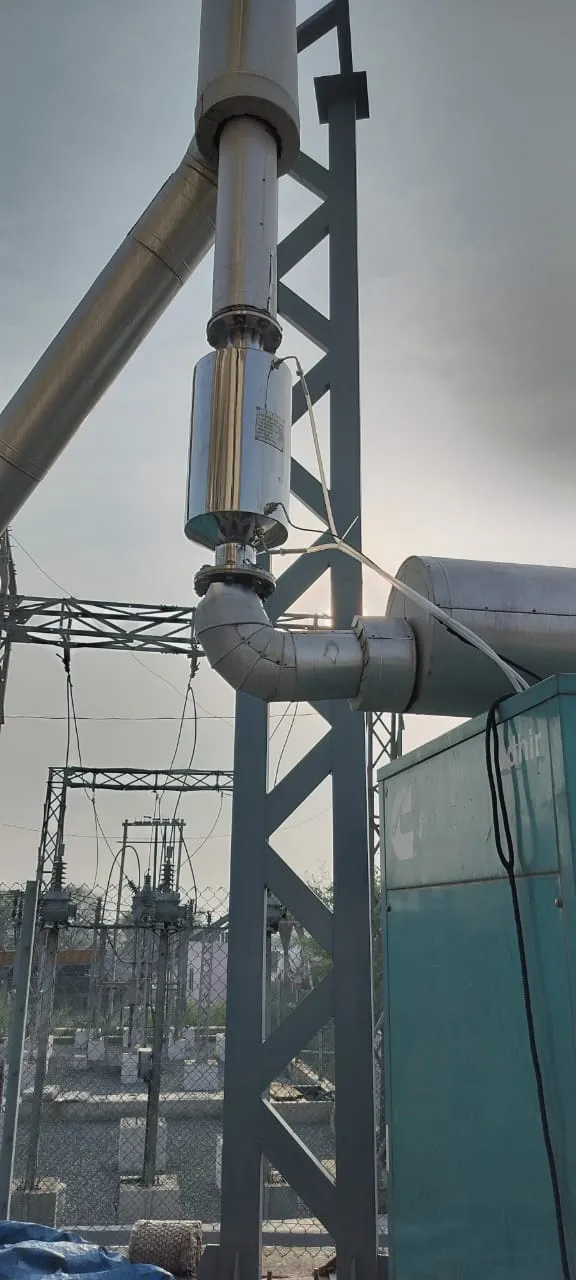
Why GRAP Decides Whether Your Generator Runs This Winter
Every winter, roughly October to February, the Commission for Air Quality Management (CAQM) activates the Graded Response Action Plan (GRAP) across Delhi NCR. GRAP is a four-stage emergency framework triggered by Air Quality Index (AQI) readings, and each stage progressively tightens what diesel generators can do. For factories, hotels, hospitals, high-rise societies, and event organisers, GRAP is not an abstract policy: it decides whether your backup power is legal on the exact days you need it most, because winter is also when NCR's grid comes under the greatest stress.
This guide explains, stage by stage, what typically happens to generator operation under GRAP, which genset categories retain operating allowances, and what to do now so a Stage 3 announcement does not catch your facility unprepared. It builds on our detailed Delhi NCR generator rules compliance guide, which covers the underlying CAQM Directions in depth.
The Regulatory Backbone: Three CAQM Directions
Three CAQM Directions shape generator operation in NCR:
- Direction 71 (2022): set the framework requiring generators to move to CPCB IV+ compliance or retrofit an approved Retrofit Emission Control Device (RECD), with capacity-tier transition windows.
- Direction 76 (2023): introduced the operational restrictions that bite during GRAP stages, defining which fuel and emission categories may run as air quality deteriorates.
- Direction 89 (2025): added enforcement muscle, including ANPR-linked infrastructure, making inspection-and-fine cycles faster than earlier years.
The practical outcome: your genset's emission category (CPCB IV+, RECD-retrofitted, dual-fuel or gas, or plain older diesel) determines its GRAP treatment. If you are not sure which category your unit falls into, our free CPCB Compliance Checker gives you a directional verdict in 30 seconds from just the kVA, manufacture year, and location.
GRAP Stage by Stage: What It Means for Generators
GRAP stages are declared based on AQI bands, and restrictions accumulate as stages escalate. The pattern in recent seasons has been:
Stage 1 ("Poor" air quality)
General dust and emission controls tighten across NCR. Generator enforcement attention rises, but compliant gensets (CPCB IV+, RECD-retrofitted, dual-fuel or gas) continue normal operation. This is your last comfortable window to fix compliance gaps: RECD installation takes 1 to 3 working days, and installers get booked out once Stage 2 looms.
Stage 2 ("Very Poor")
Scrutiny of diesel generator use intensifies, and non-compliant units face restriction. Facilities are expected to shift essential loads toward compliant equipment or grid alternatives. Inspections in industrial belts become routine rather than exceptional.
Stage 3 ("Severe")
This is the stage that hurts unprepared operators. Even compliant gensets can face limits on hours of operation, and non-compliant diesel units are effectively off the table. Emergency exemptions apply to essential services such as hospitals, telecom infrastructure, defence, water supply, and emergency operations, provided documentation is in order. If your facility qualifies, the paperwork must exist before the inspector arrives, not after.
Stage 4 ("Severe+")
The most restrictive stage. Generator operation narrows to essential and exempted uses. For everyone else, the questions become: how good is your grid arrangement, and did you convert to a fuel category that still has allowances?
Important: the exact permissions in force at any moment come from the current CAQM order for that stage and season. Treat the pattern above as planning guidance, and verify the live order text (or ask us) before making operating decisions on a Severe day.
The Generator Hierarchy Under GRAP
Across recent seasons, a clear hierarchy has emerged in how generator categories are treated as stages escalate:
- Gas and dual-fuel gensets: the strongest position. Because gas combustion cuts particulate emissions dramatically, PNG/CNG-fuelled and dual-fuel converted generators have received the widest operating allowances during GRAP periods. For facilities inside PNG pipeline zones, dual-fuel conversion is the single best GRAP insurance available.
- CPCB IV+ diesel gensets: the compliant diesel baseline. New CPCB IV+ generators operate normally through Stages 1 and 2 and retain the best diesel-side treatment in deeper stages.
- RECD-retrofitted older gensets: broadly aligned with the compliant category, at a fraction of replacement cost. Installed RECD cost ranges from about Rs 0.5 to 1.2 lakh for 5 to 25 kVA units up to Rs 5 to 8 lakh for 500 to 1500 kVA units; see our full RECD price guide by kVA.
- Non-compliant older diesel: restricted earliest and hardest. Running one during Stage 3 or 4 risks fines and, worse, premises sealing that can outlast the smog season itself.
Who Gets Essential-Service Exemptions
Hospitals and healthcare facilities, telecom towers and data infrastructure, defence establishments, water supply and sewage operations, railways and metro, and genuine emergency operations have consistently received exemptions, with documentation. If you operate in one of these categories, prepare a compliance file now: genset registration and emission category proof, CTO papers, exemption category evidence, and a maintenance log showing the unit meets its emission claims. An exempted hospital running a poorly maintained genset that visibly smokes is still an enforcement target.
Your Pre-October Preparation Checklist
- Categorise your fleet now. Run each genset through the compliance checker. Anything RED needs a decision this quarter: RECD retrofit, dual-fuel conversion, replacement, or buyback and upgrade.
- Book retrofits before the rush. RECD and dual-fuel installers run waiting lists from September onward. An installation booked in July or August costs the same and removes the risk.
- Check PNG availability at your site. If your zone has pipeline gas, dual-fuel conversion pays back through fuel savings of 30 to 55% even before counting its GRAP advantages.
- Line up compliant rental cover. If your permanent unit will be restricted, a compliant rental genset bridges the season. Our rental fleet is CPCB IV+ compliant, which matters precisely during GRAP when non-compliant rentals are as restricted as non-compliant owned units.
- Prepare exemption paperwork if you qualify as an essential service, and brief your facility team on what inspectors ask for.
Delhi Facilities: A Note on Enforcement Reality
Delhi proper sees the earliest and strictest enforcement, with DPCC inspections concentrated in industrial areas like Okhla, Naraina, Mayapuri, Bawana, and Narela, and increasing attention to commercial buildings and residential societies. If you operate in Delhi, our dedicated Delhi generator services page covers rental, RECD retrofit, dual-fuel conversion, and new CPCB IV+ supply with a 6 hour onsite SLA.
Get GRAP-Ready With One Call
Alpha Diesels has served 6,500+ clients across NCR and Rajasthan since 1996. We handle all three GRAP-resilience paths in-house: CPCB-approved RECD retrofits with certification, dual-fuel conversions, and new CPCB IV+ Greaves genset supply, plus compliant rentals for seasonal cover. Call or WhatsApp +91-97993-03700 for a free compliance assessment before the season starts.
Need Expert Help?
Our team of generator experts is ready to help you with any questions about grap.
Frequently Asked Questions
Common questions about: GRAP Stages and Generators
Still Have Questions?
Our team is ready to help you with any queries
Related Articles
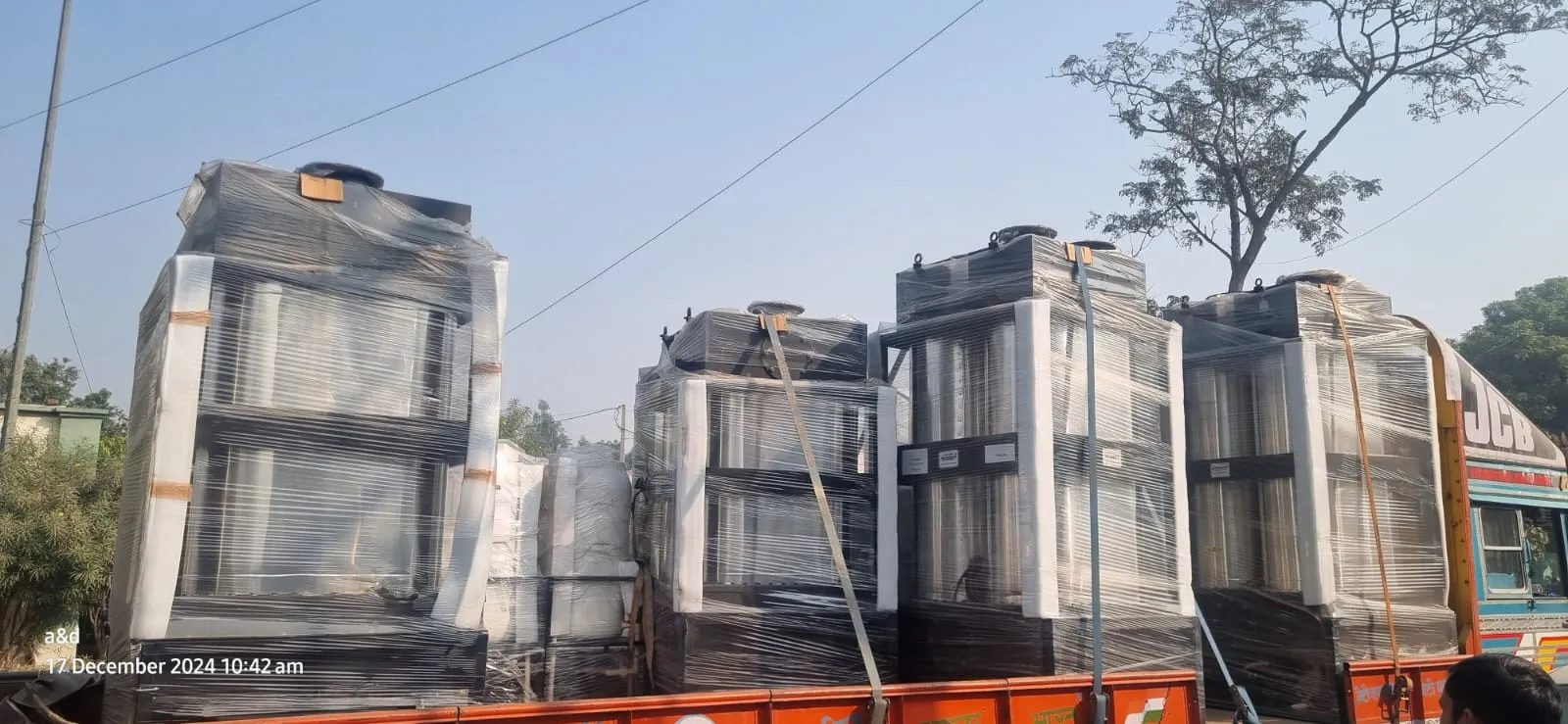
What Is RECD? A Plain-English Guide to Retrofit Emission Control Devices for Diesel Generators
10 min read
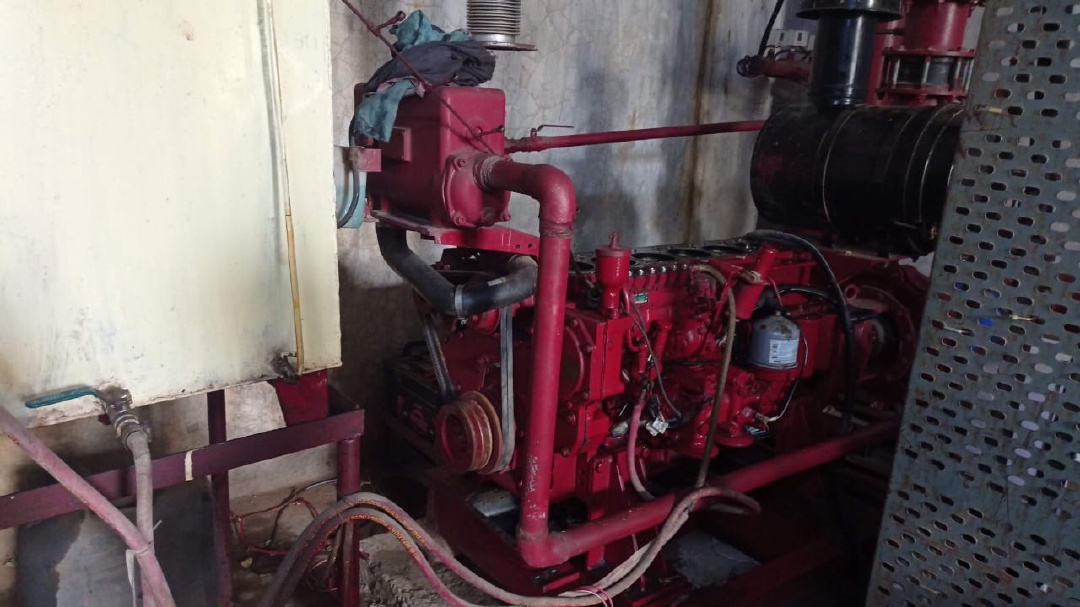
Silent Generators on Rent: dB Levels, Prices, and How to Choose the Right Canopy Grade
9 min read
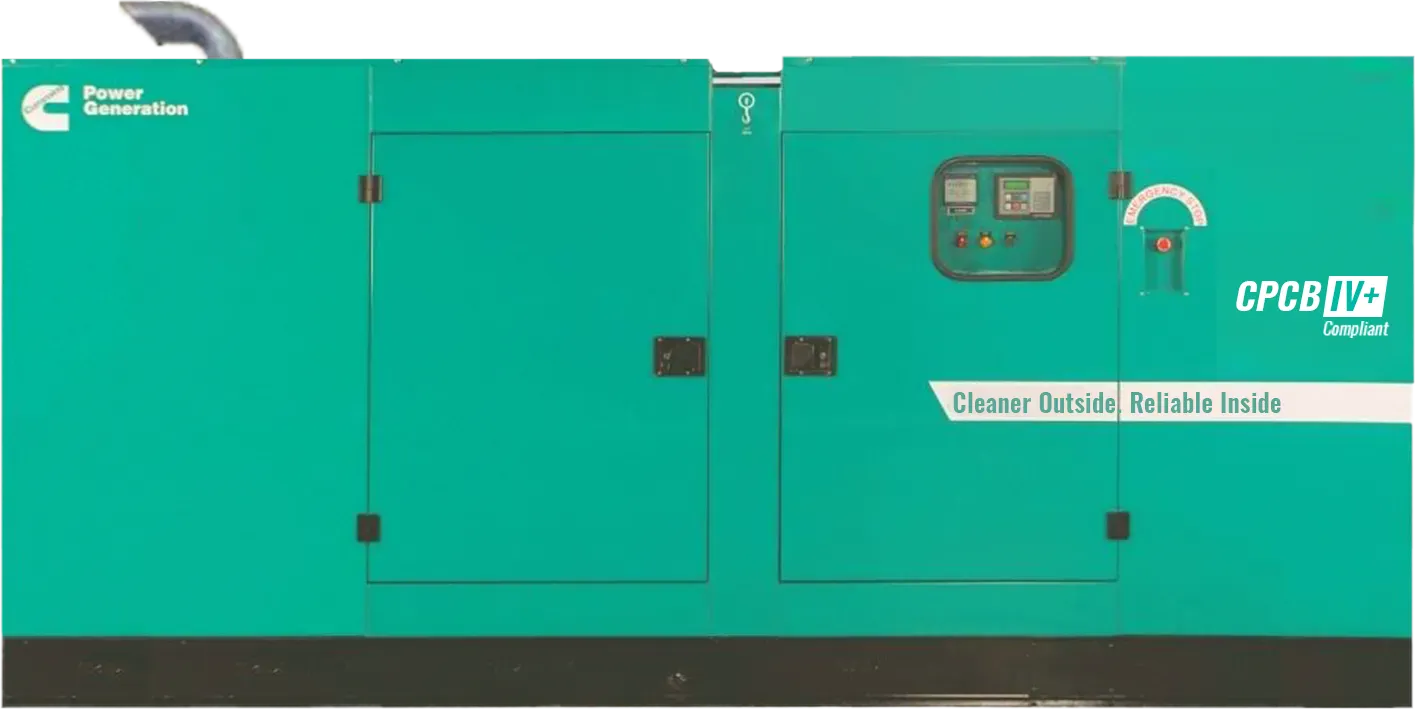
Understanding CPCB IV+ Emission Standards for Diesel Generators in India
8 min read