What Is RECD? A Plain-English Guide to Retrofit Emission Control Devices for Diesel Generators
RECD explained without jargon: what a Retrofit Emission Control Device does, who must install one, what it costs by kVA, how installation works, and how to decide between RECD, dual-fuel, and replacing your genset.
RECD in One Paragraph
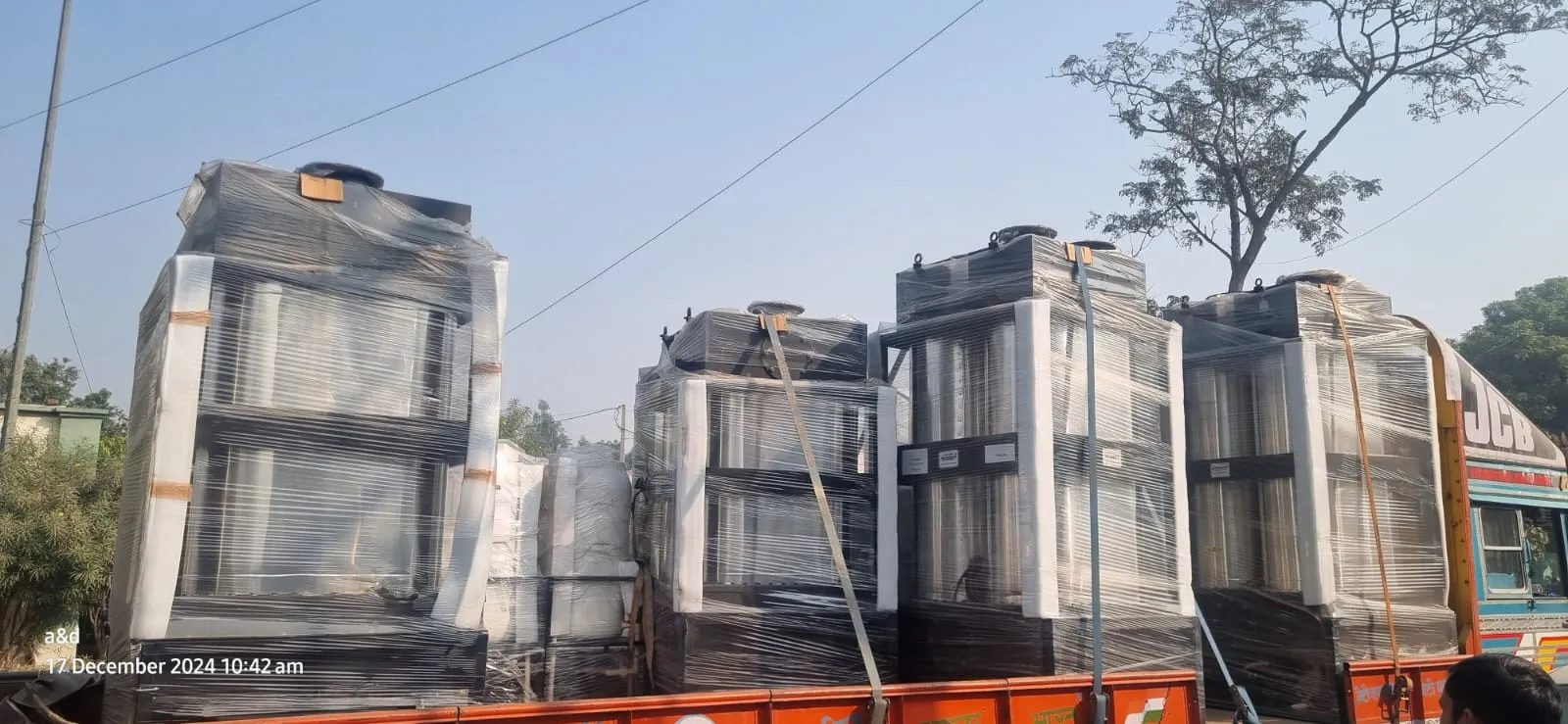
RECD stands for Retrofit Emission Control Device. It is a pollution-control system, built around a diesel particulate filter (DPF), that bolts into the exhaust line of an existing diesel generator and captures the soot and particulate matter the engine produces. A CPCB-approved RECD brings an older generator's emissions down to levels aligned with the current CPCB IV+ regime, which means the genset you already own can stay legal instead of being replaced. For most operators in Delhi NCR and India's 131 NCAP cities, RECD is the cheapest legal path to compliance.
Why RECD Exists: The Regulatory Context
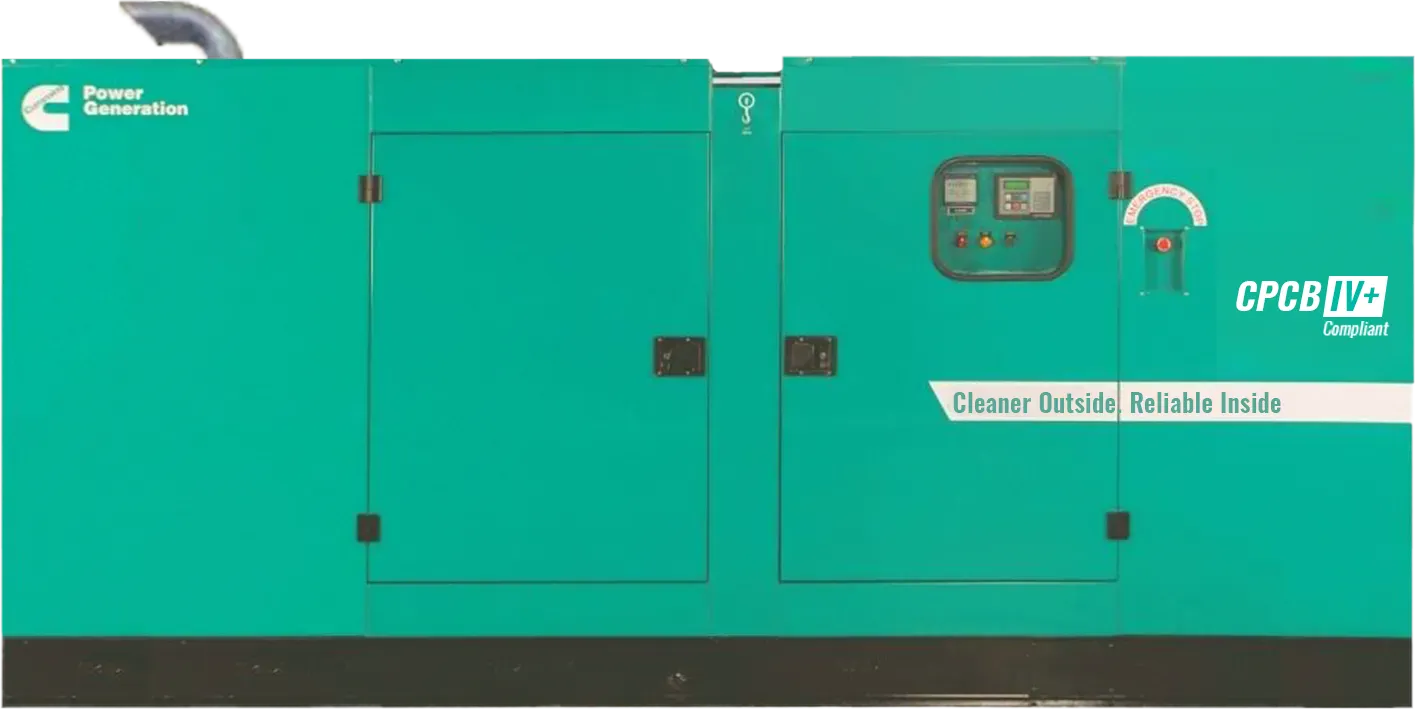
India's CPCB IV+ emission norms, effective for new gensets from mid-2023, cut permissible particulate emissions by roughly 90% versus the older CPCB II standard. New generators meet these norms with built-in after-treatment. But millions of installed gensets predate the norms, and replacing them all at once is economically impossible. The regulatory answer, formalised for NCR through CAQM Direction 71 and mirrored by state pollution boards, is retrofit: install an approved emission control device on the existing engine, prove the emission reduction, and keep operating. Our Delhi NCR compliance guide covers the full direction-by-direction history.
How an RECD Actually Works
A typical CPCB-approved RECD package contains:
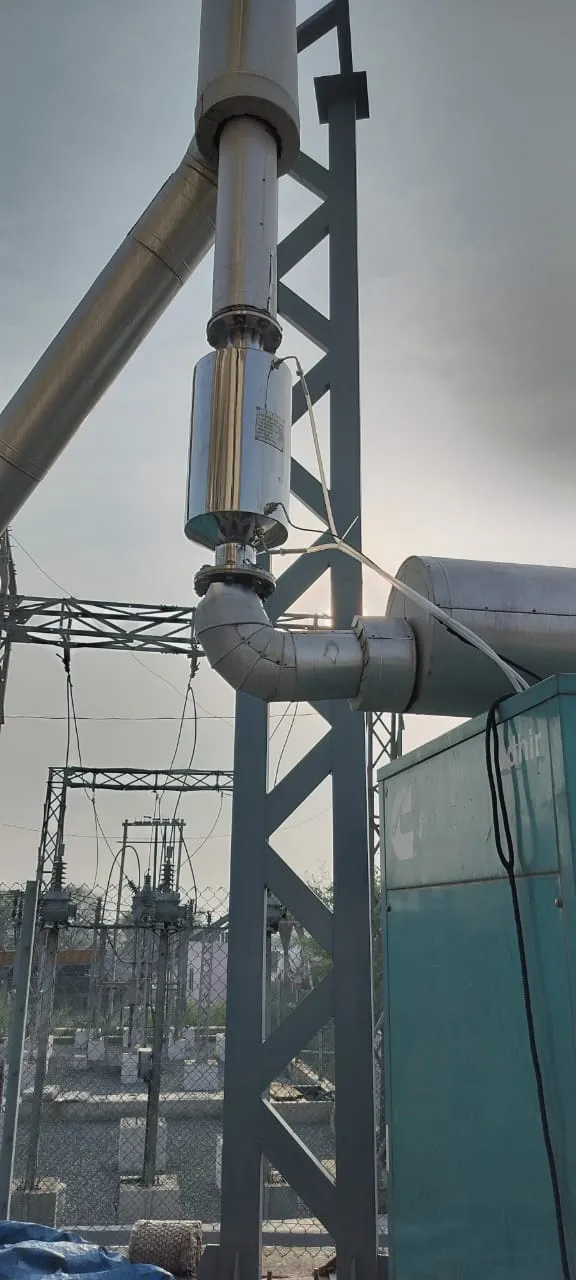
- Diesel Particulate Filter (DPF): a ceramic honeycomb that physically traps particulate matter as exhaust gas flows through. Capture efficiencies for approved devices are high enough to transform visible black smoke into near-clear exhaust.
- Regeneration system: trapped soot must periodically be burned off (regenerated) so the filter does not clog. Devices manage this through exhaust temperature management or assisted regeneration cycles.
- Monitoring instrumentation: back-pressure sensors that warn when the filter is loading up, since excessive exhaust back-pressure hurts engine performance and fuel consumption.
- Certification documentation: approved devices come with test certification (agencies such as ARAI or ICAT), and the installer hands over the compliance pack you will show the pollution board.
Who Needs an RECD
You are in RECD territory if your diesel generator predates CPCB IV+ and you operate where enforcement is active: Delhi NCR first, and increasingly the NCAP non-attainment cities. Eligibility spans roughly 5 to 1500 kVA. The alternative paths are buying a new CPCB IV+ genset, converting to dual-fuel operation, or selling the old unit into our buyback program and upgrading. Which path wins depends on your genset's age, condition, running hours, and location; the honest answer differs case by case, which is why we always start with a free site assessment rather than a quote.
What RECD Costs in 2026 (Installed, by kVA)
Indicative installed cost bands, including device, fitment, and certification support:
| Genset Capacity | Indicative Installed Cost |
|---|---|
| 5 - 25 kVA | Rs 0.5 - 1.2 lakh |
| 25 - 100 kVA | Rs 1.0 - 1.8 lakh |
| 100 - 250 kVA | Rs 1.5 - 3.0 lakh |
| 250 - 500 kVA | Rs 3.0 - 5.0 lakh |
| 500 - 1500 kVA | Rs 5.0 - 8.0 lakh |
Two operators with the same kVA can pay 40 to 60% different amounts depending on device brand, exhaust layout complexity, engine condition, and site access. The full variable-by-variable breakdown is in our RECD price guide by kVA capacity.
The Installation Process, Step by Step
- Site assessment (free, within 48 hours): we audit the genset, exhaust routing, canopy space, and engine health. A worn engine that burns oil will clog any DPF prematurely, so honest assessment protects your investment; if the engine needs attention first, our engine repair team handles it.
- Device selection and quote: matched to your engine brand (Cummins, KOEL, Greaves, Mahindra and others), capacity, and duty cycle.
- Installation (1 to 3 working days): exhaust line modification, device mounting, sensor fitment, and commissioning. Canopy modifications, if needed, are done in-house.
- Certification and paperwork: emission verification and the documentation pack for your pollution board Consent to Operate (CTO) filing, which we support end to end.
Living With an RECD: Maintenance
A DPF is a filter, and filters need service. Plan for periodic regeneration and cleaning cycles, with frequency driven by running hours, load profile, fuel quality, and engine condition. Budget a modest annual maintenance line for the device (cleaning intervals and costs are covered in the price guide), and fold it into your generator AMC so it never gets forgotten: our AMC plans include RECD upkeep for retrofitted units. Skipping DPF maintenance leads to rising back-pressure, power loss, higher fuel burn, and eventually a damaged filter, which converts a small service cost into a large replacement cost.
RECD vs Dual-Fuel vs New Genset: A 60-Second Decision Frame
- Choose RECD when the genset is mechanically healthy, mid-life, and you need compliance at the lowest capital cost, especially in the 100 to 500 kVA band where retrofit economics are strongest.
- Choose dual-fuel conversion when PNG pipeline gas reaches your site and the genset runs enough hours for 30 to 55% fuel savings to pay back the conversion, with stronger GRAP-season allowances as a bonus; see our GRAP stage-by-stage guide.
- Choose a new CPCB IV+ unit when the existing engine is old, overhauled multiple times, or undersized for your current load; pair it with our buyback so the old unit funds part of the upgrade.
Thirty seconds with the free CPCB Compliance Checker tells you which lane you are likely in, with cost bands for each.
Get an Honest RECD Recommendation
Alpha Diesels installs CPCB-approved RECDs across all major engine brands, with certification handed over post-install and CTO filing support included. Because we also sell new gensets, convert dual-fuel, and buy back old units, we have no incentive to push retrofit where it is wrong for you. Call or WhatsApp +91-97993-03700 for a free 48-hour site assessment across Bhiwadi, Delhi NCR, and Rajasthan.
Need Expert Help?
Our team of generator experts is ready to help you with any questions about recd.
Frequently Asked Questions
Common questions about: What Is RECD? A Plain-English Guide to Retrofit Emission Control Devices for Diesel Generators
Still Have Questions?
Our team is ready to help you with any queries
Related Articles
GRAP Stages and Generators: What Can Run at Each Stage in Delhi NCR (2026-27 Season Guide)
11 min read
Silent Generators on Rent: dB Levels, Prices, and How to Choose the Right Canopy Grade
9 min read
Understanding CPCB IV+ Emission Standards for Diesel Generators in India
8 min read