Emergency Power Backup Planning for Factories and Construction Sites
How to create a bulletproof emergency power plan for your factory or project site. Covers generator sizing, automatic transfer systems, fuel reserves, and rapid deployment options.
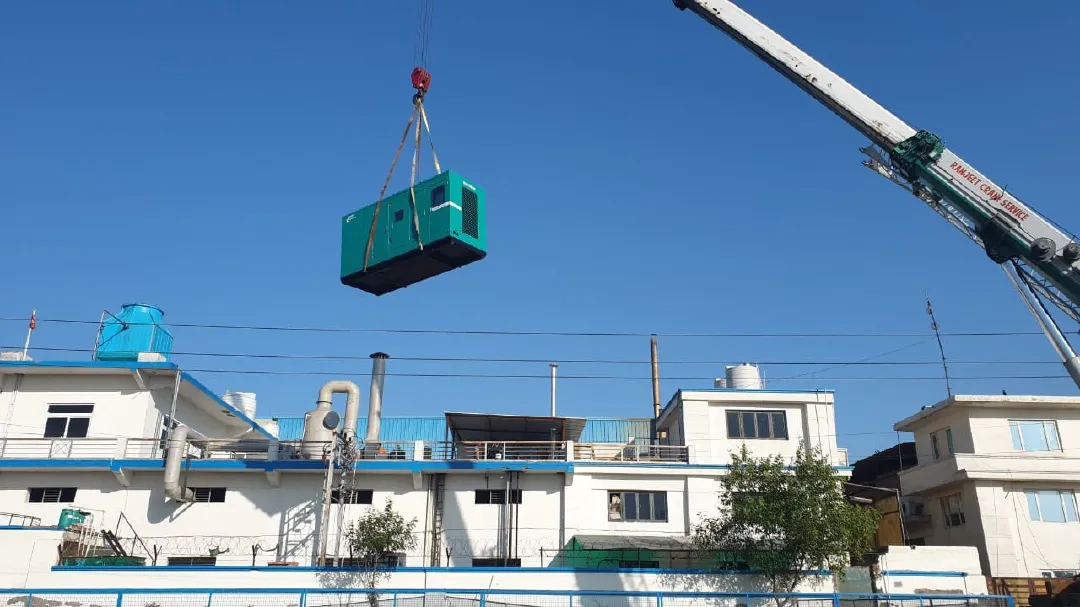
The True Cost of a Power Outage
When the lights go out at your factory, the damage starts immediately. CNC machines lose their reference positions (re-calibration takes hours). Furnaces and kilns lose temperature (entire batches of castings or ceramics are ruined). Compressor-dependent production lines shut down. Cold storage temperatures start rising. IT systems crash without clean shutdown. Security systems go offline.
For a medium-sized factory in Bhiwadi or Manesar, an unplanned power outage of just 4 hours can easily cost ₹2-5 lakh in lost production, spoiled materials, and overtime labor to catch up. Over a year with 10-15 outage events, that adds up to ₹20-75 lakh. A proper emergency power backup plan - costing a fraction of these losses - is not an expense, it is insurance.
Step 1: Identify Critical vs Non-Critical Loads
Not everything needs to be powered during an outage. Categorize your loads into three tiers:
- Tier 1 - Life Safety (must power immediately): Fire alarm and suppression systems, emergency lighting, gas detection systems, emergency ventilation
- Tier 2 - Critical Operations (power within 10 seconds): Process equipment that cannot be interrupted without damage, server rooms, cold storage, critical compressors
- Tier 3 - General Operations (power within 60 seconds): Production lines, HVAC, general lighting, office equipment
This tiered approach lets you right-size your backup system and optimize costs.
Step 2: Choose the Right Backup Configuration
Single Generator with AMF Panel
For most small and medium factories, a single generator with an Automatic Mains Failure (AMF) panel is sufficient. The AMF panel detects power failure, sends a start signal to the generator, and transfers the load automatically - all within 10-15 seconds.
Multiple Generators with Synchronizing Panel
Larger factories with loads above 500 kVA may need multiple generators running in parallel. A synchronizing panel ensures all generators share the load proportionally and operate at the same voltage, frequency, and phase angle. Alpha Diesels supplies and installs synchronizing panels for multi-genset configurations.
Generator + UPS Combination
For zero-interruption power (0 seconds transfer time), pair your generator with a UPS system. The UPS handles the 10-15 second gap between grid failure and generator start. Essential for data centers, hospitals, and precision manufacturing where even a momentary power dip causes problems.
Step 3: Fuel Reserve Planning
A generator without fuel is just expensive furniture. Plan your fuel reserves based on worst-case scenarios:
- Minimum fuel reserve: 24 hours of operation at 75% load
- Recommended reserve: 48-72 hours for industrial operations
- Fuel consumption estimate: A 125 kVA genset consumes approximately 20-25 liters/hour at 75% load; a 500 kVA consumes 70-90 liters/hour
- Fuel delivery arrangement: Have a pre-arranged diesel supply contract with a local distributor for emergency deliveries
Step 4: Construction Site-Specific Planning
Construction sites have unique power challenges:
- No grid connection: Many new construction sites have no utility power for the first 3-12 months. A rental generator is the only option
- Changing load profile: Foundation work needs different power than structural work, MEP work, or finishing. Rental allows you to scale capacity as needed
- Multiple power points: Large sites may need 2-3 generators at different locations rather than one large centralized unit
- Tough environment: Generators on construction sites face dust, debris, concrete splash, and weather exposure. Weatherproof canopied units are essential
Step 5: Emergency Rental Protocol
Even with a purchased generator, you need a backup plan for when your backup fails. Establish a relationship with a reliable rental provider before you need one:
- Pre-negotiated rates: Agree on emergency rental rates in advance so there is no price shock during a crisis
- Response SLA: Get a written commitment on delivery time. Alpha Diesels guarantees 2-4 hour emergency delivery in Bhiwadi and 4-8 hours across Delhi-NCR
- Site readiness: Keep a pre-prepared generator pad and connection point so a rental unit can be plugged in immediately on arrival
Step 6: Testing and Maintenance
An emergency power plan is only as good as its last test. Schedule:
- Weekly: No-load test run (15-30 minutes) to verify starting and basic operation
- Monthly: Load test at 50-75% rated capacity for 1-2 hours
- Quarterly: Full simulation - cut grid power and verify the entire AMF/ATS switchover process works end-to-end
- Annually: Complete generator health check under a professional AMC plan
Need Help Creating Your Power Backup Plan?
Alpha Diesels offers comprehensive power backup consultations for factories, construction sites, hospitals, and commercial buildings. Our engineers will visit your site, assess your critical loads, design the optimal backup configuration, and provide a complete implementation roadmap - including generator sizing, panel selection, fuel planning, and fire safety system integration. Call +91-97993-03700 or WhatsApp us to schedule your free consultation.
Need Expert Help?
Our team of generator experts is ready to help you with any questions about emergency power.
Related Articles
GRAP Stages and Generators: What Can Run at Each Stage in Delhi NCR (2026-27 Season Guide)
11 min read
What Is RECD? A Plain-English Guide to Retrofit Emission Control Devices for Diesel Generators
10 min read
Silent Generators on Rent: dB Levels, Prices, and How to Choose the Right Canopy Grade
9 min read